Now Reading: The soulful legacy of Carl Carlton in R&B and funk music
-
01
The soulful legacy of Carl Carlton in R&B and funk music



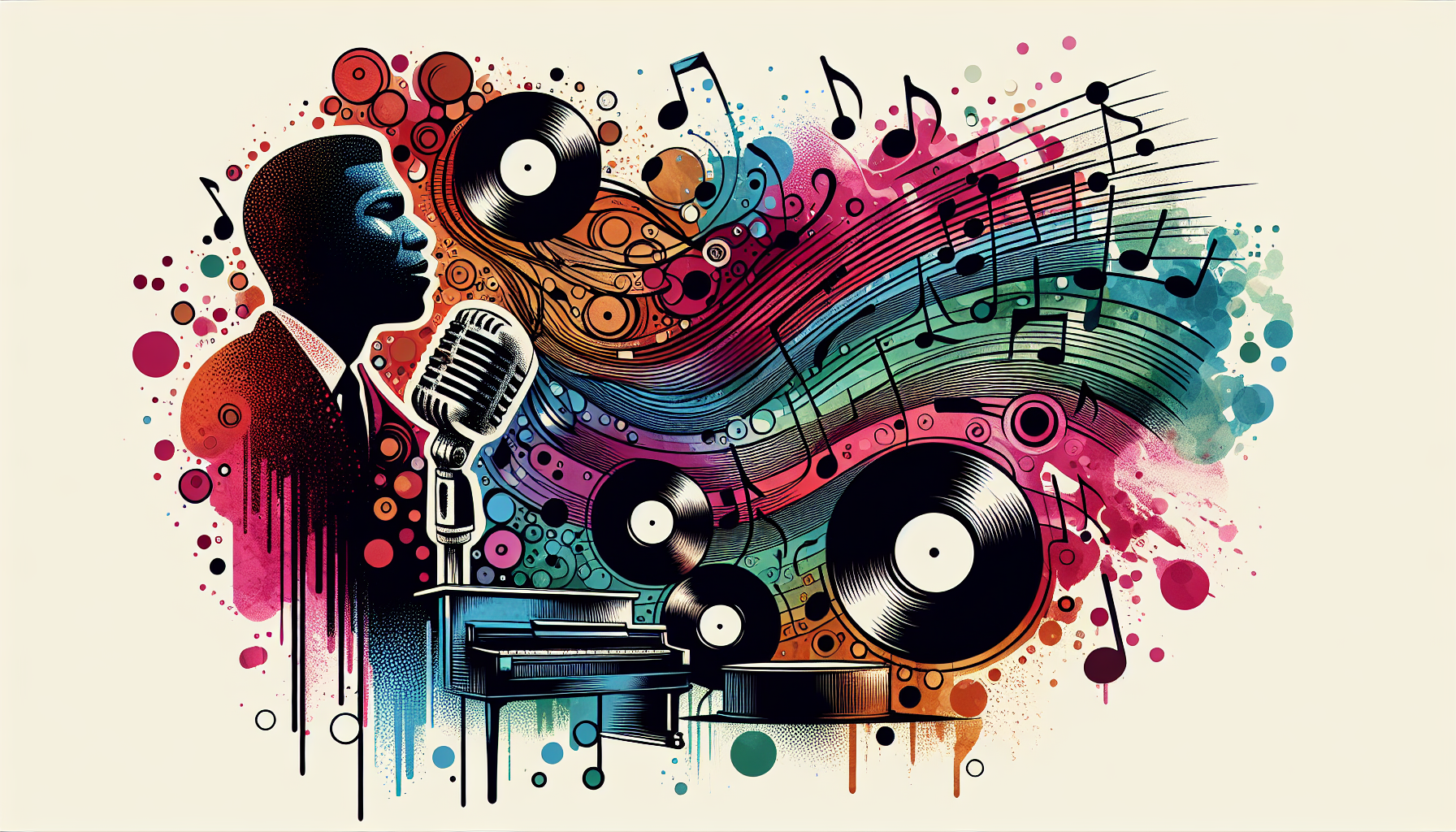 Picture a young, energetic Carl Carlton growing up in Detroit—a city already pulsing with Motown’s magic and a wild love for music. From the start, Carlton was immersed in the sounds that would eventually shape him: gospel choirs ringing through his neighborhood, flashing lights from downtown R&B clubs, and, of course, the local radio spinning records from the likes of Sam Cooke, Jackie Wilson, and Otis Redding. It’s hardly surprising that he would find his calling in soul music, considering that every corner store and car radio seemed to echo the rhythms and melodies that made Detroit such a vibrant center of American R&B and funk.
Even as a youngster, Carl Carlton exuded passion and energy, singing in local church choirs and talent shows before most kids had finished learning their times tables. Legend has it that Carl’s nickname, “Little Carl Carlton,” came about due to his small stature and the soulful, mature voice that belied his age. By the age of 11, he had already inked his first recording contract, joining the ranks of up-and-coming soul artists hoping to leave a mark on music history. During this period, he was heavily influenced by James Brown’s electrifying performances, Stevie Wonder’s songwriting, and the confidence exuded by local Detroit acts who dominated the airwaves.
The late 1960s in Detroit wasn’t just the era of Motown—it was a golden age where musicians shared ideas, and inspiration flowed as freely as the city’s
Defining hits and breakthrough albums
When you talk about the soundtrack to the late ’70s and early ’80s, it’s impossible not to drop Carl Carlton’s name into the conversation. His youthful grind throughout Detroit’s music scene paid off big-time in 1974, when he released his first notable single, “Everlasting Love.” Oh, and did we mention this exuberant, high-energy soul anthem reached the Top 10 of the Billboard Hot 100? It rocketed him from local sensation to national R&B mainstay. “Everlasting Love” wasn’t just catchy—it became an iconic classic, the kind that outlived its era and still pops up in movies, commercials, and radio playlists. The track showcased Carlton’s ability to blend soul’s emotional depth with the more propulsive, playful elements of classic American R&B.
The momentum didn’t let up for Carl Carlton. By 1981, he dropped what would become the cornerstone of his funk legacy, the sizzling album, Carl Carlton. The centerpiece was “She’s a Bad Mama Jama (She’s Built, She’s Stacked),” a thumping, groove-heavy jam that people are still dancing to at family reunions and cookouts today. Funk fans recognize that bassline in an instant, and R&B lovers can’t resist singing along to that unforgettable chorus. The song soared up the charts, earning Carlton a Grammy nomination and cementing his reputation as a singer-songwriter who could deliver both depth and fun, blending infectious hooks with soulful
Carl Carlton’s impact on R&B and funk
Carl Carlton’s fingerprints are all over the landscape of classic American R&B and funk, thanks to his knack for delivering grooves that stick with you long after the speakers go silent. His knack for fusing the raw emotion of soul music with the undeniable swagger of funk resulted in tracks that crossed boundaries—sonically, culturally, and generationally. The rhythmic grooves and bold basslines of “She’s a Bad Mama Jama,” for instance, didn’t just revive dance floors—they became a blueprint for what it meant to create a funk anthem in the post-disco era. DJs and partygoers from Detroit to L.A. immediately latched on, spinning his hits at house parties, nightclubs, and outdoor festivals alike.
Carlton’s unique singing style—an urgent, joyful tenor that could flip from velvet smooth to gritty in a heartbeat—helped define a sound that’s still echoed by R&B singer-songwriters today. But it wasn’t just about how he sang; it was also about what he brought to the stage and studio. His songs often celebrated empowerment and confidence, especially within the Black community. In the early ‘80s, with funk and soul music serving as both comfort and rallying cry through turbulent times, Carlton’s tracks provided a soundtrack for both escapism and self-affirmation. You can feel this especially in the pride and swagger of “She’s a Bad Mama Jama”—an unapologetic celebration of strength, beauty, and self-worth, which was especially meaningful
Legacy and ongoing influence on modern artists
When we talk about American R&B and funk, Carl Carlton’s legacy is more than just a highlight reel of classic tracks—it’s the ongoing inspiration he’s provided to generations of artists that followed. His influence can be heard echoing in the music of chart-toppers like Bruno Mars, who blends old-school funk riffs with modern pop in much the same way Carlton married the energy of soul and the swagger of funk. Emerging singer-songwriters have often cited Carlton’s fearless approach to vocal delivery and persona as a guiding star, drawing from his blend of smooth soul groove and danceable funk to carve their own musical identities.
It’s worth noting that “She’s a Bad Mama Jama” isn’t just a nostalgic throwback; it has become one of the most sampled tracks in contemporary R&B and hip-hop. Everyone from LL Cool J to De La Soul and Mary J. Blige has pulled from Carlton’s signature sounds, folding slices of his infectious basslines and staccato rhythms into their own hit songs. This spirit of reinvention—where a classic groove never really goes out of style—is perhaps the most telling hallmark of Carlton’s enduring field legacy. His music has the rare ability to cross genres and bridge generational gaps, turning up in wedding DJ sets, club remixes, film soundtracks, and even video games.
The impact of Carl Carlton born in Detroit isn’t confined to sound alone. Younger musicians have drawn from his attitude and commitment to authenticity. In R&B, the ethos of

Related Posts
Stay Informed With the Latest & Most Important News
Previous Post
Next Post







Advertisement