
Now Reading: Colin Jerwood and the rise of Conflict in the anarcho-punk scene
-
01
Colin Jerwood and the rise of Conflict in the anarcho-punk scene


Growing up in Eltham, South London, Colin Jerwood was immersed in an environment that blended the gritty realities of working-class life with an emerging sense of social awareness. Like many young people in late 1970s England, Jerwood was drawn to the raw energy and rebellious ethos of punk bands that questioned authority and defied convention. Inspired by the early shockwaves of the punk movement and the anti-establishment message carried by bands like Crass and The Clash, Jerwood developed a passion for music that spoke directly to issues of injustice and alienation. His exposure to the burgeoning English anarcho-punk scene fueled his desire to create something meaningful, positioning him as a catalyst for what would become a significant chapter in punk history. Observing the way punk music gave voice to the voiceless, Jerwood began to shape his own ideology—one focused on activism, direct action, and the transformative power of collective resistance.
Formation of Conflict and core ideology
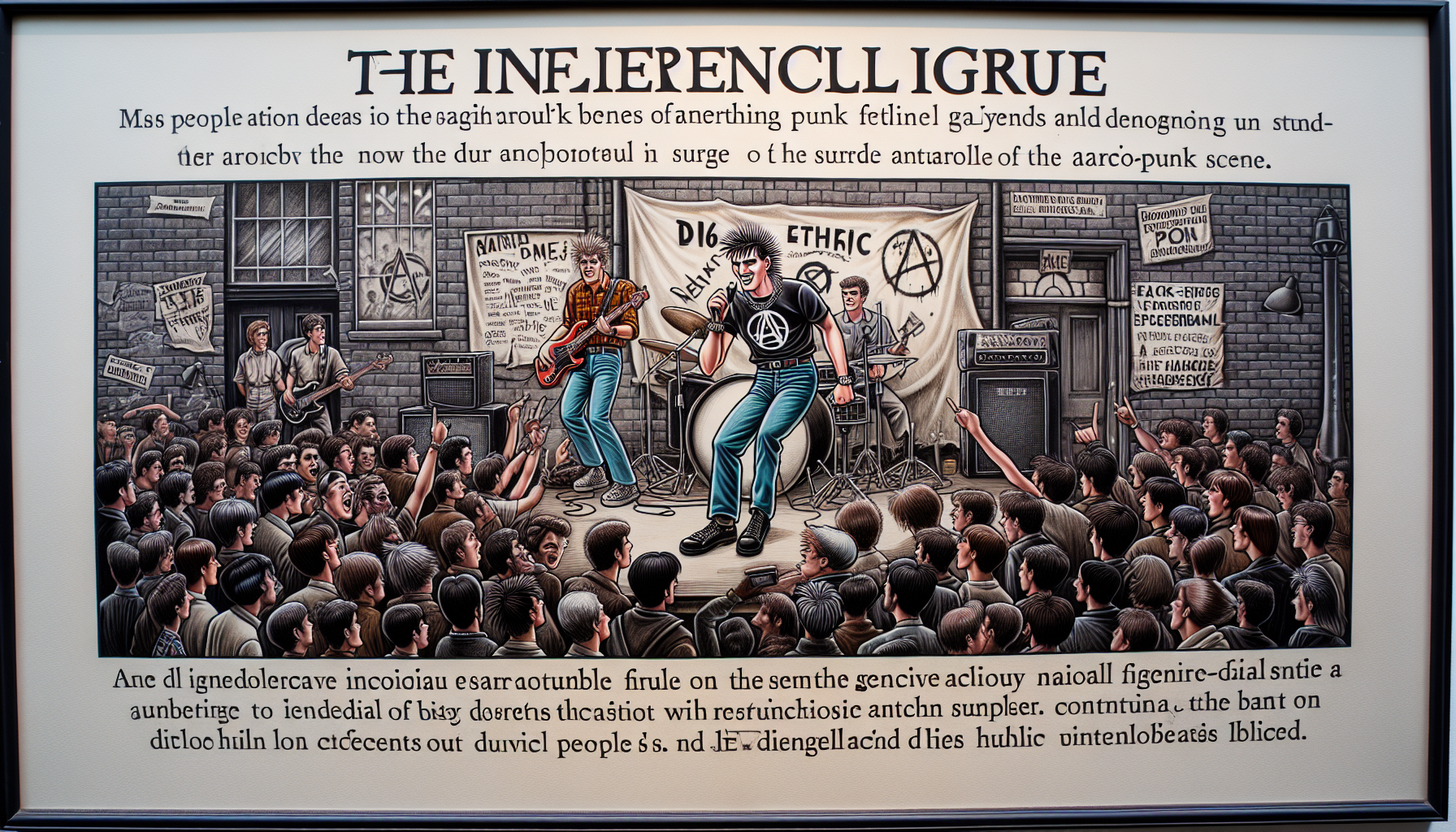
As the currents of punk continued to swirl through South London, Colin Jerwood’s vision took on a more focused intensity by 1981. Fueled by a desire to push anarchist principles to the forefront of music and activism, Jerwood formed Conflict with a group of like-minded individuals who shared his dissatisfaction with the status quo. The band’s earliest incarnation quickly cemented its reputation among punk bands for uncompromising lyrics and performances that blurred the boundaries between music and political protest. Conflict actively aligned themselves with the radical ethos epitomized by Crass Records, reinforcing the idea that music could be used not just for self-expression but as a weapon against social and political injustices.
The core ideology behind Conflict was rooted in absolute resistance to authority, capitalism, and conformity. Jerwood and his bandmates championed causes such as animal rights, anti-militarism, and individual freedom, employing their songs as rallying cries for direct action rather than passive dissent. Unlike many
Impact on the anarcho-punk movement
The arrival of Conflict on the English anarcho-punk scene marked a turning point in punk history, catapulting both Colin Jerwood and his band to the vanguard of radical musical and political expression. Their uncompromising approach, fueled by the disillusionment simmering in South London suburbs like Eltham, resonated with a generation ready to question and confront authority head-on. Conflict’s association with key labels like Crass Records strengthened their credibility within the anarcho-punk community, drawing connections among disparate networks of activist musicians and fans. Through incendiary live performances and provocative lyrics, the band amplified issues often sidelined by mainstream punk bands, such as violent state repression, animal liberation, and the urgent need for grassroots organizing.
Colin Jerwood’s abrasive vocal delivery and direct confrontation in both sound and message served as a rallying point during turbulent times. Conflict concerts were known not just as musical events but as gatherings of like-minded individuals united by their desire for change
Legacy and continuing relevance
Decades after their initial burst onto the scene, the influence of Conflict and Colin Jerwood endures both within and beyond the boundaries of English anarcho-punk. Their steadfast dedication to issues like animal rights, anti-war activism, and grassroots organization set a template followed by later punk bands and activist collectives alike. Conflict’s uncompromising vision, anchored by Jerwood’s leadership, offered a model for fusing music with direct action—one that remains deeply relevant in contemporary movements challenging systemic oppression.
Colin Jerwood’s ethos continues to inspire new generations not only musically, but also ideologically. In today’s climate of political polarization and renewed activism, the band’s classic recordings and message-laden performances resonate with audiences facing familiar battles against authority and conformity. Conflict’s discography is frequently cited by contemporary punk musicians and radical artists as a foundational influence, their legacy reinforced by the persistent relevance of lyrics that highlight state violence and the necessity of resistance.

Stay Informed With the Latest & Most Important News
Previous Post
Next Post











Advertisement


