
Now Reading: Exploring the legacy of Todd Daniel Snider in American music
-
01
Exploring the legacy of Todd Daniel Snider in American music

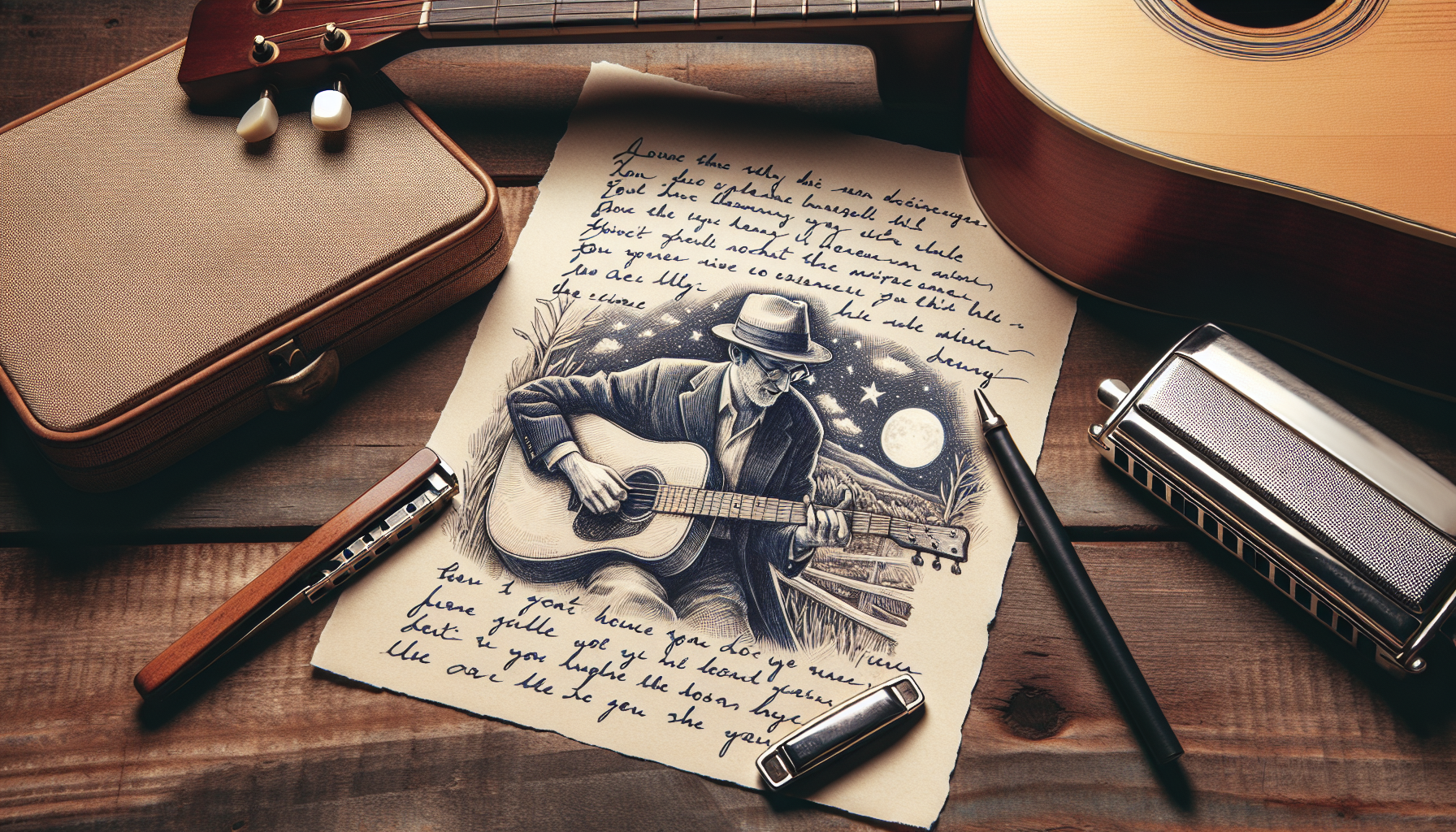

From his earliest years, todd Daniel Snider was immersed in a musical landscape that shaped his distinctive voice in the American singer-songwriter tradition. Born in Oregon and raised in a variety of locations across the American South and West, Snider grew up with a soundtrack that was as diverse and restless as his eventual career. The radio was always on in the background, delivering a steady stream of folk rock, country, blues influence, and early rock ‘n’ roll, introducing him to the eclectic soundscape that would later inform his own work.
Snider’s musical journey was shaped by both legendary American artists and the regional flavors of his upbringing. Early exposure to singer-songwriters like Bob Dylan, John Prine, Kris Kristofferson, and Jerry Jeff Walker ignited a passion not just for melody, but for storytelling. The blend of humor, grit, and poetic observation he heard in their lyrics would become hallmarks of Snider’s own songwriting. Additionally, the music legacy of the South—blues, alt country, and outlaw country—deepened his appreciation for authenticity and the power of music to reflect everyday struggles and triumphs.
As a teenager, Snider gravitated toward the rebellious energy of punk rock as well as the narrative mastery of country icons. His musical tastes ranged from the raw lyricism of Townes Van Zandt to the working-class anthems of Bruce Springsteen and the blues influence of Lightnin’ Hopkins. It was during these formative years that Snider first picked up a guitar, teaching himself chords and composing his own songs to emulate the troubadours he admired.
Moving to Austin, Texas—a hub for burgeoning folk rock and alt country scenes—proved pivotal for Snider. The city’s vibrant music community offered him opportunities to hone his craft, performing at open mics and soaking up influences from seasoned artists and rising talents alike. Austin’s musical melting pot sharpened Snider’s wit and narrative sensibility, reinforcing the value of honesty and vulnerability in songwriting.
Snider’s breakthrough came as he migrated to Memphis, another city steeped in music legacy and rich in American roots traditions. Here, he found inspiration in the interplay of genres that defined Memphis’ storied past—country, blues, soul, and rockabilly—absorbing elements that would later surface in his own genre-blurring discography. It was this cross-pollination of sounds and styles that set him apart, infusing his work with the restless spirit of American music.
Throughout his early career, todd Daniel Snider was propelled by a profound respect for the authenticity of his musical forebears, coupled with an unyielding drive to tell his own stories. The convergence of folk rock storytelling, blues influence, and alt country grit provided the bedrock for his rapidly emerging voice in American music. These foundational experiences would shape a career that consistently honors the dynamic legacy of the singer-songwriter tradition.
Songwriting style and lyrical impact
 Todd Daniel Snider’s reputation as a premier singer-songwriter is deeply rooted in his unmistakable songwriting style, which balances razor-sharp wit, emotional candor, and an uncanny sense for the everyday struggles and triumphs of ordinary people. His music, at once deeply personal and universally relatable, stands as a significant contribution to both folk rock and alt country, captivating a loyal audience and influencing countless contemporaries.
At the core of Snider’s songwriting lies his acute observational humor. His lyrics often read as vivid vignettes—snapshots of eccentric characters, underdogs, and outsiders that populate his musical world. With clever wordplay and a wry sense of irony, Snider crafts stories that are equally likely to make listeners laugh as they are to provoke reflection. For example, songs like “Beer Run” and “Statistician’s Blues” highlight his ability to distill the absurdities of life into catchy, memorable tunes that resonate beyond simple novelty.
Snider’s storytelling prowess is further enhanced by his conversational, colloquial approach to lyricism. Eschewing pretense, he favors unvarnished honesty and an everyman perspective, inviting audiences into the world he’s painting rather than holding them at arm’s length. His plainspoken delivery and knack for natural dialogue lend his songs an authenticity that connects deeply, reminiscent of American artists such as John Prine or Jerry Jeff Walker. Whether spinning tales about romantic mishaps, late-night misadventures, or the search for meaning in a complex world, Snider’s lyrics are always grounded in genuine human experience.
One of the hallmarks of Snider’s lyrical impact is his use of humor as both a comedic and critical tool. Peeling back the layers of his songs, listeners often discover poignant social commentary woven throughout the verses. Tracks like “Talkin’ Seattle Grunge Rock Blues” not only lampoon popular trends, but also point to greater truths about artistic integrity and commercial pressures in the music industry. Through satire and subtle critique, Snider uses humor to shed light on uncomfortable realities—a key component of his music legacy.
Themes of empathy and resilience run throughout Snider’s discography, underscored by a strong blues influence and a deep appreciation for the struggles of working-class Americans. He frequently gives voice to those who feel marginalized or overlooked, infusing his songs with compassion and solidarity. In “Play a Train Song,” for instance, Snider memorializes a departed friend, blending sorrow with celebration and demonstrating his capacity to find light in dark moments. This emotional complexity is a signature trait of his songwriting, bridging the gap between personal loss and collective memory within American music.
Another signature aspect of Snider’s lyrical approach is an openness to self-deprecation and vulnerability. Far from casting himself as a flawless narrator or hero, he often positions himself as a fallible, sometimes directionless figure, learning alongside his audience. This humility is particularly evident in tracks like “Alright Guy,” where he embraces life’s imperfections and shares them unfiltered. The result is a catalog of songs that feel lived in, brimming with the hard-earned wisdom of someone who respects music’s power to tell the messy, beautiful truths of existence.
Musically, Snider weaves together elements of folk rock, country, and blues with an understated assurance that serves his lyrics well. His arrangements favor simplicity, keeping the focus on storytelling rather than ornate production. Acoustic guitars, harmonicas, and understated rhythms allow Snider’s vocals and lyrics to remain front and center, recalling the traditions of troubadours while forging a path uniquely his own.
Snider’s influence is evident in the ways his songwriting has inspired a new generation of alt country and Americana artists to marry honesty with humor, introspection with irreverence. His willingness to take creative risks without sacrificing authenticity has set a benchmark in the genre—his music legacy defined as much by the subjects he tackles as by the fearless way he tackles them.
Key Aspects of Todd Daniel Snider’s Songwriting Style:
– Witty, observational humor that balances levity with insight
– Conversational, unpretentious lyricism rooted in everyday language
– Compassionate storytelling focused on outsiders and underdogs
– Use of humor and satire for social commentary
– Emotional candor, embracing vulnerability and imperfection
– Simple, folk-rooted musical arrangements supporting the lyrics
Through these elements, todd Daniel Snider has carved out a place among the most respected American artists in the singer-songwriter tradition. His body of work serves as a testament to the enduring power of songcraft that speaks clearly, truthfully, and memorably to the heart of American life.
Collaborations and influence on peers
Throughout his storied career, todd Daniel Snider has placed a premium on collaboration, weaving connections with a vibrant tapestry of American artists. These collaborations have not only enriched his own music legacy but also left an indelible mark on the folk rock, alt country, and Americana genres as a whole.
Snider’s affinity for collaboration owes much to his deep respect for the community fostered among singer-songwriters and performers. He often describes other musicians as both friends and catalysts—challenging and inspiring him to push the boundaries of his craft. Over the years, he has shared stages and studio time with an array of legendary figures, newcomers, and genre-crossing talents.
One of the most significant collaborative relationships in Snider’s career was with John Prine. The two artists bonded over a shared sense of humor, a knack for storytelling, and a commitment to honest songwriting. Snider has cited Prine as a mentor and close friend, and the influence of their creative partnership can be clearly heard in Snider’s empathetic lyricism and wry delivery. Their mutual admiration was tangible on the occasions when they performed side by side, blending their distinctive voices and reinforcing each other’s enduring place in American music.
Another pivotal collaboration in Snider’s journey came in the form of the Hard Working Americans project—a roots-rock supergroup featuring acclaimed musicians Dave Schools (Widespread Panic), Neal Casal (Chris Robinson Brotherhood), Chad Staehly (Great American Taxi), and Duane Trucks. Through this collective, Snider explored a more electric, improvisational side of his musicality, venturing beyond his folk rock roots into jam band territory while still retaining his signature lyrical prowess. Hard Working Americans served as a creative laboratory for Snider, allowing him to broaden his sonic horizons and connect with new audiences, thus expanding his influence across the alt country and Americana spectrum.
Snider’s open-door approach has also led him to work with a diverse range of songwriters and bands, including legendary figures like Jerry Jeff Walker and rising talents within the Americana movement. He’s penned songs for and with other musicians, performed as a guest on numerous albums, and consistently invited fellow artists to join him on tour. Whether covering each other’s songs or swapping verses live, these exchanges have resulted in a cross-pollination of styles and sensibilities—strengthening the music legacy of all involved.
The reach of Snider’s influence is particularly evident among younger singer-songwriters and indie country acts. His willingness to embrace imperfection, merge humor with heartbreak, and speak directly to life’s struggles has encouraged a new cohort of artists to foreground authenticity in their craft. Musicians such as Jason Isbell, Hayes Carll, and Amanda Shires have cited Snider as an inspiration, crediting his storytelling style, musical adventurousness, and unfiltered perspective as models for their own work.
Key highlights of todd Daniel Snider’s impact on peers and collaborators include:
– Mentorship: Serving as a mentor to up-and-coming artists, offering support, encouragement, and real-world advice based on his years in the music industry.
– Genre-blending projects: Leading and participating in genre-defying collaborations, which have blurred the lines between folk rock, alt country, blues influence, and Americana.
– Songwriting partnerships: Co-writing and co-performing with established icons and new voices, fortifying the bond between generations of American artists.
– Festival and live collaborations: Featuring spontaneous, memorable appearances with a wide variety of musicians—reinforcing his reputation as a generous collaborator and dynamic performer.
– Recording tributes and covers: Paying homage to the songs and songwriters who’ve influenced him, while reinterpreting classics through his singular lens.
Snider’s collaborative ethos is not only about making music together; it’s about nurturing a community where creative risk and solidarity take center stage. In live settings, he is as likely to step aside and let a fellow musician shine as he is to command the spotlight himself. This humility and openness have endeared him to the music community, and his ripple effect can be felt whenever a younger artist dares to pen a brutally honest lyric or deliver a song with a wink and a nod.
By consistently crossing paths—and forging creative bonds—with some of the most notable artists in modern roots music, todd Daniel Snider has cemented his status as both a connector and innovator within the rich tradition of American singer-songwriters. His collaborations, mentorship, and influence have extended the reach of his music legacy, ensuring that the wit, warmth, and raw truth at the heart of his songs live on in the work of his contemporaries and beyond.
Enduring legacy in American music
Decades after first emerging on the American music scene, todd Daniel Snider’s enduring legacy can be felt far beyond a catalog of acclaimed albums or festival stages filled with devoted fans. Snider’s influence has woven itself into the very fabric of modern American music, leaving an imprint on the way artists write songs, connect with audiences, and define the ever-evolving genres of folk rock, alt country, and Americana.
Snider’s body of work is marked by a fearless embrace of honesty—a commitment to storytelling that captures both humor and pain, and an insistence on authenticity that refuses the gloss of commercial pretense. This ethos resonates deeply within the singer-songwriter tradition, inspiring a vast array of American artists to pursue truth, vulnerability, and wit as guiding creative principles. For many, Snider stands as a rare figure who reimagines the role of musicians as chroniclers of everyday life, addressing topics from working-class struggles to biting cultural commentary with unfiltered candor.
His classic tracks, including the likes of “Alright Guy,” “Beer Run,” and “Play a Train Song,” have taken on lives of their own—covered by fellow musicians and sung by fans across generations. These songs, often delivered with wry humor and folk-rooted honesty, have become touchstones for aspiring songwriters aiming to capture both the absurdity and poignancy of real life. Snider’s unorthodox approach, marked by an unwillingness to compromise his voice for mainstream acceptance, has passed the torch to countless new artists searching for a similar creative freedom.
One of the most significant aspects of todd Daniel Snider’s music legacy lies in his role as a bridge between genres. Drawing from the deep well of blues influence that shaped his early years alongside the alt country sounds of icons like John Prine, Snider created a blueprint for blending musical styles without sacrificing authenticity. This cross-genre approach, once considered unconventional, now forms the backbone of contemporary Americana—a space where the lines between folk, country, rock, and blues blur, and where storytelling reigns supreme.
Snider’s impact has fostered a culture within the Americana and indie country communities that values imperfection, lived experience, and empathy over commercial polish. His willingness to share the stage, collaborate generously, and spotlight unheralded voices continues to inspire a spirit of community often missing in the entertainment industry. Music festivals, singer-songwriter circles, and grassroots venues alike buzz with stories of Snider’s kindness, humor, and steadfast support of emerging artists. Veteran musicians often recall how Snider’s storytelling wisdom and openness to experimentation emboldened them to be more daring in their own creative journeys.
A key dimension of Snider’s lasting legacy can be measured by the lineage of artists who count him as a formative influence. Modern folk rock and alt country figures like Jason Isbell, Hayes Carll, and Amanda Shires have acknowledged the profound effect of Snider’s approach—pointing to his sharp lyricism, unguarded performance style, and capacity to treat serious subjects with levity and grace. Importantly, Snider’s music legacy does not rest solely in those who mimic his sound, but in those whom he’s empowered to find their own unique voice.
There are few American artists as attuned to both the comedy and tragedy of daily life as Todd Snider. His live performances—part concert, part storytelling masterclass—continue drawing sold-out crowds who come as much for his music as for his impromptu monologues. These performances have achieved something akin to cult status, cementing Snider as an artist whose influence transcends the studio and reaches audiences face to face, song to story, heart to heart.
The digital era has only amplified Snider’s ability to connect, as clips of his performances circulate online and engage new, younger fans around the globe. His albums—many of which have become icons of the singer-songwriter canon—are streamed widely and cited in interviews by artists aiming to marry personal truth with universal appeal. The communal bond that forms around a Snider song, whether in a packed club or across a playlist, is evidence of the way music can build lasting connections.
Snider’s place in the modern canon of American music is a testament not only to his individual talent and creative risk-taking, but also to his role as a torchbearer for an inclusive, ever-evolving tradition. His music legacy is reflected in every young songwriter empowered to turn a sharp eye on their world, in every new band fusing genres with fearless abandon, and in every audience member who feels seen and heard by stories that refuse to shy from life’s messiness.
For these reasons, the legacy of todd Daniel Snider stands as a living, breathing force within American music—a wellspring of inspiration, irreverence, and authenticity that will continue to shape folk rock, alt country, and the broader singer-songwriter tradition well into the future.

Related Posts

Stay Informed With the Latest & Most Important News
Previous Post
Next Post











Advertisement


