
Now Reading: Marianne Faithfull and the legacy of as tears go by in the British Invasion
-
01
Marianne Faithfull and the legacy of as tears go by in the British Invasion

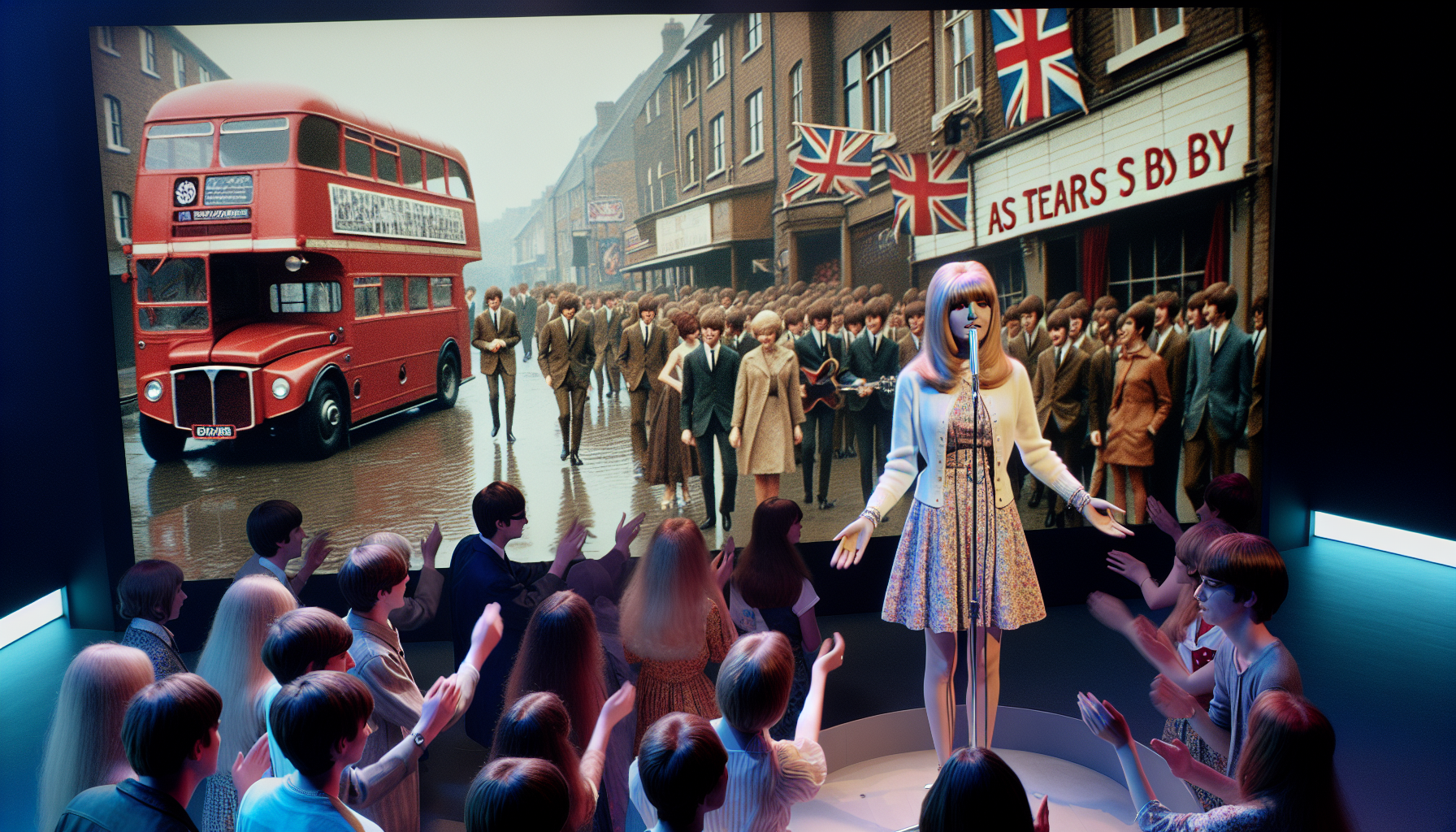

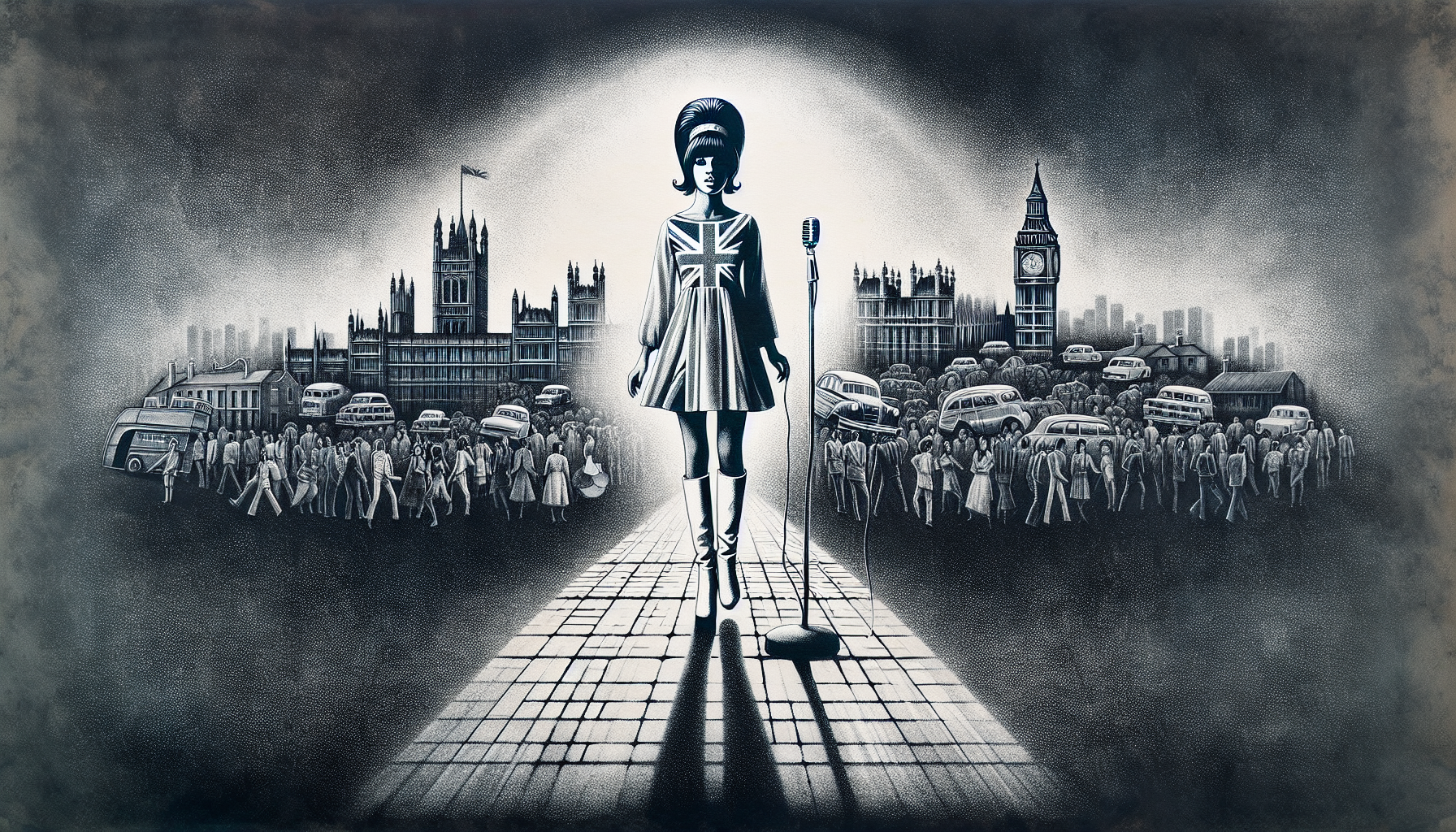
Marianne Faithfull emerged on the 1960s music scene as a strikingly talented English singer, quickly captivating both British and international audiences. Born in London, she was immersed in the bohemian circles that pulsed through the city’s evolving pop culture. Faithfull’s clear, poignant vocals and distinct presence made her stand out among her contemporaries, especially at a time when few female artists enjoyed significant mainstream success. Her early recordings drew the attention of major producers and songwriters, leading to fruitful creative collaborations that would eventually shape her career. Faithfull’s debut single “As Tears Go By” became a defining hit that would mark her entry into music history, introducing her to a wide audience during the height of the British Invasion. As her profile rose, she became a regular figure in both the United Kingdom and the United States music scenes, admired as much for her artistry as for her style and charisma. Faithfull’s early career laid the foundation for her role as a pioneering female artist
The creation and impact of “As Tears Go By
The creation of “As Tears Go By” marked a pivotal moment in 1960s music and British pop culture. Originally penned by Mick Jagger, Keith Richards, and Rolling Stones’ manager Andrew Loog Oldham, the song was composed specifically for a female voice, and Marianne Faithfull’s delicate yet expressive vocals proved a perfect match. At just seventeen, her recording of the ballad added a new sensitivity and emotional resonance that set it apart from more raucous British Invasion tracks of the time. The arrangement, notable for its haunting string section and understated instrumentation, gave Faithfull’s voice space to convey the song’s bittersweet nostalgia. Upon its release in 1964, “As Tears Go By” rapidly climbed the charts, both in the United Kingdom and the United States, making Faithfull an international sensation. The song’s success also helped reshape prevailing attitudes about female artists in the industry, demonstrating that women could top the charts not just with energetic pop but with introspective
Faithfull’s role in the British Invasion
As the British Invasion swept across the Atlantic and transformed the American music scene, Marianne Faithfull stood out among her peers as more than just a muse or supporting figure—she was a leading voice who carried her own distinctive sound and image. Unlike many English singers of the time who adopted the burgeoning rock ‘n’ roll or rhythm and blues styles, Faithfull offered a softer, more introspective take on pop that set her apart. Her ethereal interpretation of “As Tears Go By” introduced a poetic vulnerability to 1960s music that contrasted sharply with the louder, guitar-driven hits dominating the charts. Alongside acts like The Beatles, The Rolling Stones, and Dusty Springfield, Faithfull was among the few female artists to make significant inroads in the United States during the British Invasion. Both her music and personal charisma contributed to the era’s evolving pop culture, as she became a symbol of London’s chic fashion and modern sensibilities. Faithfull’s role in this musical
The enduring legacy of “As Tears Go By
The influence of “As Tears Go By” has stretched far beyond its initial chart success, securing its place in music history as both a signature song for Marianne Faithfull and a touchstone of 1960s music. Revered for its honest emotion and minimalist beauty, the song has inspired countless covers by artists across genres, yet Faithfull’s version remains distinctive for its vulnerability and grace. It endures as one of the few British Invasion hits fronted by a young English singer, helping to redefine what pop ballads could sound like in an era dominated by upbeat rock anthems and energetic rhythm and blues.
“As Tears Go By” has become emblematic of a time when pop culture was rapidly evolving and barriers for female artists were beginning to shift. The song’s enduring appeal rests not just in its melancholic melody but also in its representation of a new kind of artistry for women in the music industry.

Related Posts


Stay Informed With the Latest & Most Important News
Previous Post
Next Post










Advertisement


