
Now Reading: Remembering Ozzy Osbourne the legendary voice of Black Sabbath
-
01
Remembering Ozzy Osbourne the legendary voice of Black Sabbath

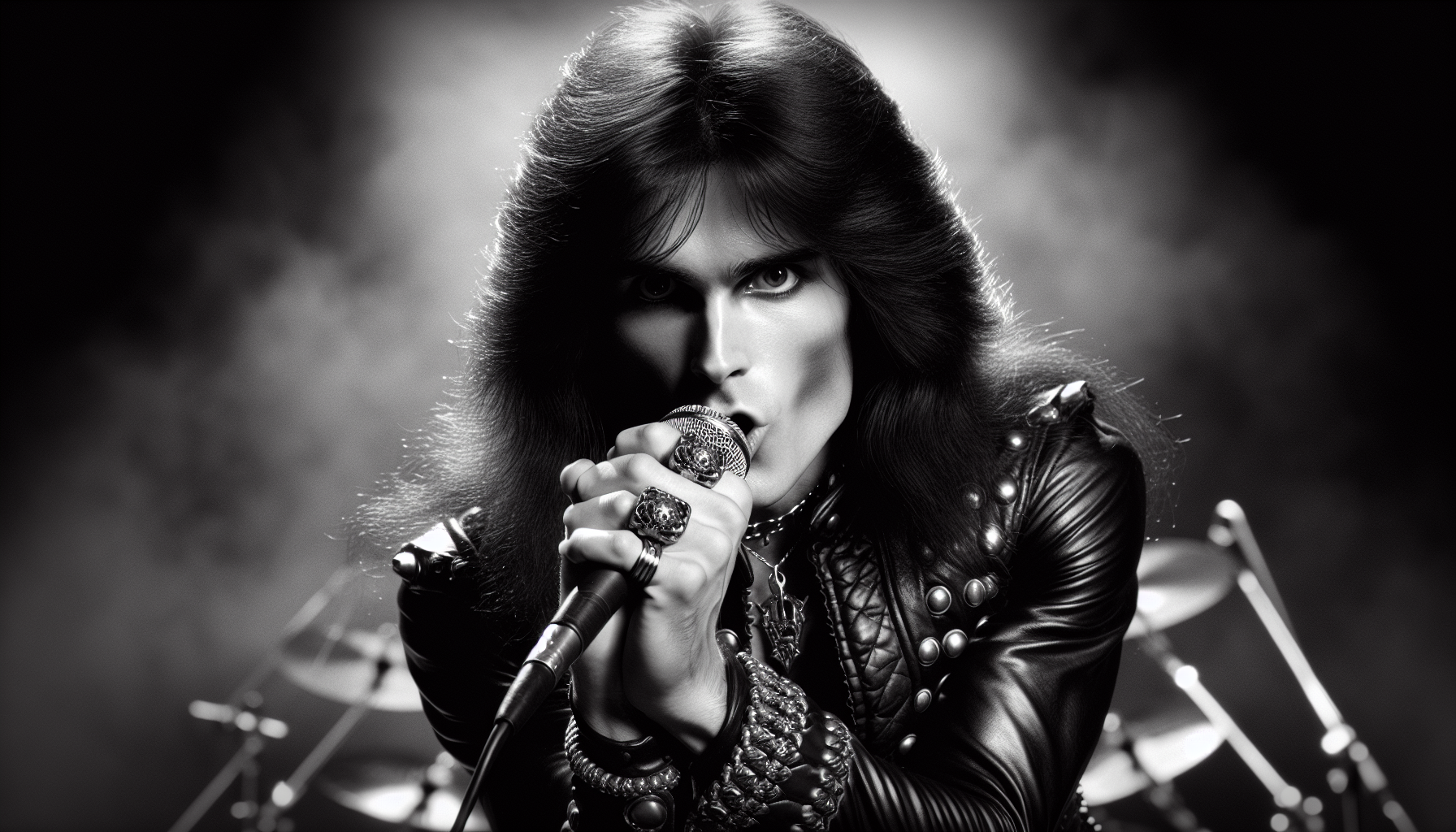

Born in Birmingham, England, Ozzy Osbourne came of age in a city defined by its industrial roots and working-class spirit. Growing up in a modest household, he faced challenges from an early age, including various odd jobs and brushes with the law. Despite these hardships, music became Ozzy’s refuge and passion. Inspired by British rock and blues acts of the 1960s, he began experimenting with vocals, eventually deciding to pursue a career as a singer. In the late 1960s, he met guitarist Tony Iommi, bassist Geezer Butler, and drummer Bill Ward, leading to the formation of a band that would later transform into Black Sabbath. The group’s early rehearsals fused blues influences with darker lyrical themes, setting them apart from their contemporaries. Ozzy Osbourne’s haunting voice and charismatic stage presence became central to their distinctive sound, laying the groundwork for a seismic shift in rock history. These formative years were crucial in shaping both his identity as an
Rise to fame with Black Sabbath
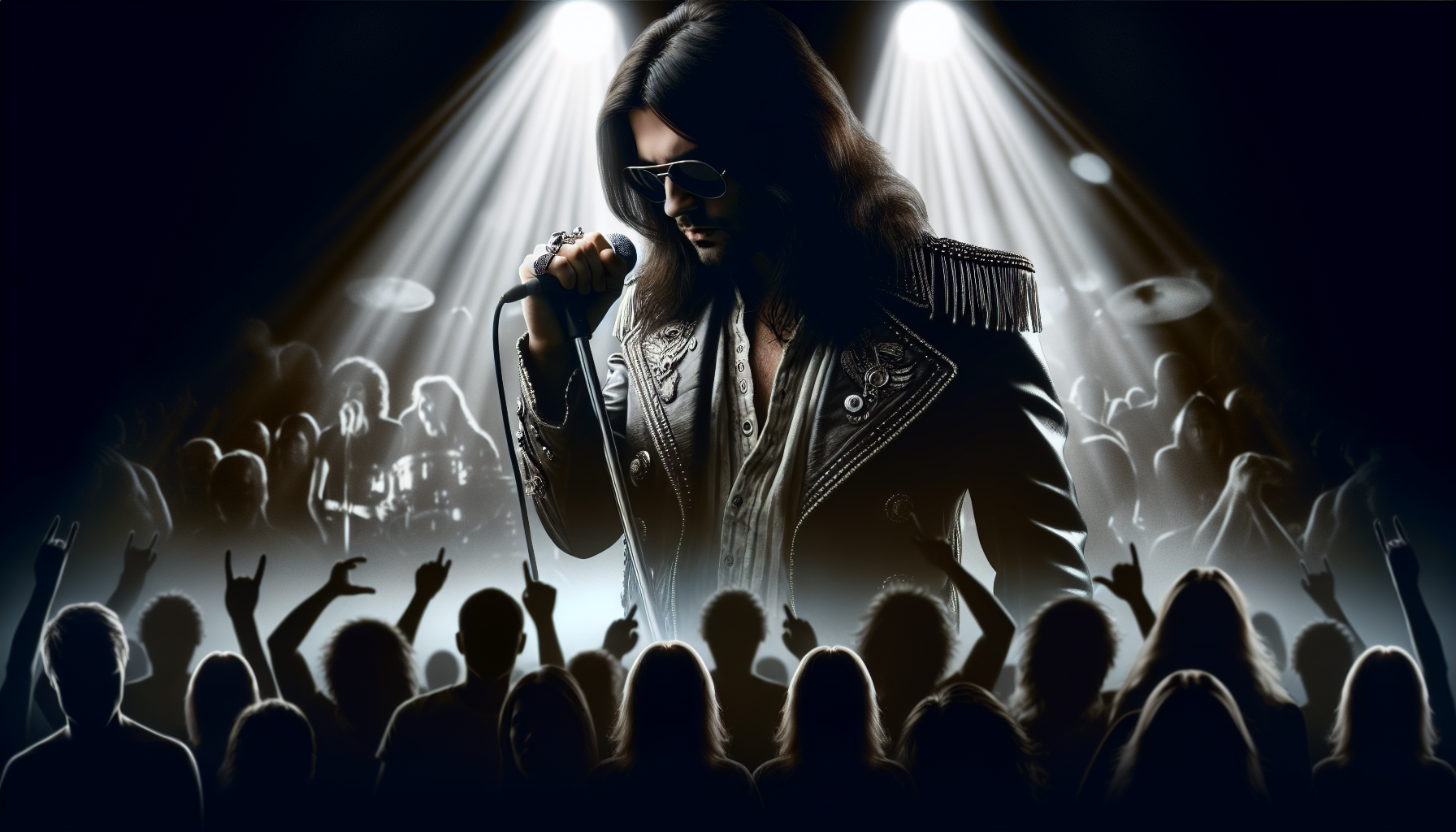
As Black Sabbath began to perform in local clubs, their unique style quickly captured attention in the vibrant 1970s music scene. The band’s self-titled debut album, released in 1970, signaled a turning point in rock history, with Ozzy Osbourne’s chilling vocals front and center. The dark, riff-heavy sound crafted by the group stood in stark contrast to the psychedelic rock of the era, and tracks like “Black Sabbath” and “N.I.B.” introduced themes of doom, mysticism, and the macabre. With Ozzy’s unmistakable voice leading the charge, songs like “Paranoid” and “Iron Man” resonated with audiences who craved something edgier and more intense. The commercial and critical success of their early records boosted the band’s profile, making them a driving force in the evolution of heavy metal. As an English singer with a distinctive delivery, Ozzy Osbourne became an icon almost overnight. His raw energy and theatrical
Signature style and influence on heavy metal
Ozzy Osbourne’s signature style set him apart as one of the most distinctive voices in rock history. With an eerie, melancholic timbre and an unfiltered approach to his delivery, Ozzy’s vocals became the haunting soundtrack of an era defined by experimentation and rebellion. The ominous atmosphere he brought to Black Sabbath’s music directly influenced the birth of heavy metal, introducing a vocal presence that was both confrontational and deeply emotive. His phrasing often oscillated between plaintive wails and guttural growls, giving the band’s songs a raw emotional power few could match. During live performances, Osbourne’s unpredictable antics and larger-than-life stage persona became legendary, further solidifying his place in the pantheon of 1970s music icons.
As a frontman, Ozzy Osbourne blended theatrical showmanship with a vulnerability that resonated with fans and musicians alike. His willingness to explore taboo subjects such as madness, mortality, and the occult pushed
Iconic moments and controversies
Throughout his career, Ozzy Osbourne has been at the center of some of rock history’s most unforgettable moments and controversies. One of the most iconic incidents came during a 1982 performance in Des Moines, Iowa, where the English singer infamously bit the head off a bat thrown on stage—an act that quickly became the stuff of heavy metal legend and fueled endless media debate. Ozzy’s eccentric onstage behavior, both with Black Sabbath and as a solo artist, led to a reputation for unpredictability and shock value. Another notorious episode occurred when he was arrested for public intoxication after donning his wife’s dress and urinating on a historic landmark in San Antonio, Texas—an act that resulted in a long-standing ban from the city. These and other controversies only amplified his notoriety and solidified his status as a rebellious force in 1970s music and beyond.
Beyond the outrageous headlines, Ozzy’s persona has been shaped by struggles with
Legacy and lasting impact
Ozzy Osbourne’s legacy stretches far beyond his years as the frontman of Black Sabbath or his later solo achievements. Often referred to as the “Prince of Darkness,” Ozzy’s impact on rock history and the world of heavy metal remains unparalleled. He helped to shape and popularize a genre that became a cultural force, inspiring countless bands and musicians who followed in his wake. Ozzy’s distinctive voice and boundary-pushing spirit helped redefine what it meant to be a rock star, while his personal story resonated with fans who saw him as both an idol and an everyman. The English singer’s achievements were recognized not only with multiple gold and platinum records, but also with inductions into the Rock and Roll Hall of Fame as a member of Black Sabbath and other industry accolades honoring his influence on music and popular culture.
The seismic effect of Ozzy Osbourne and Black Sabbath continues to be heard in the music of contemporary heavy metal and hard rock acts. Bands cite his

Related Posts


Stay Informed With the Latest & Most Important News
Previous Post
Next Post









Advertisement


