
Now Reading: Remembering Paul Mario Day, the first voice of Iron Maiden
-
01
Remembering Paul Mario Day, the first voice of Iron Maiden



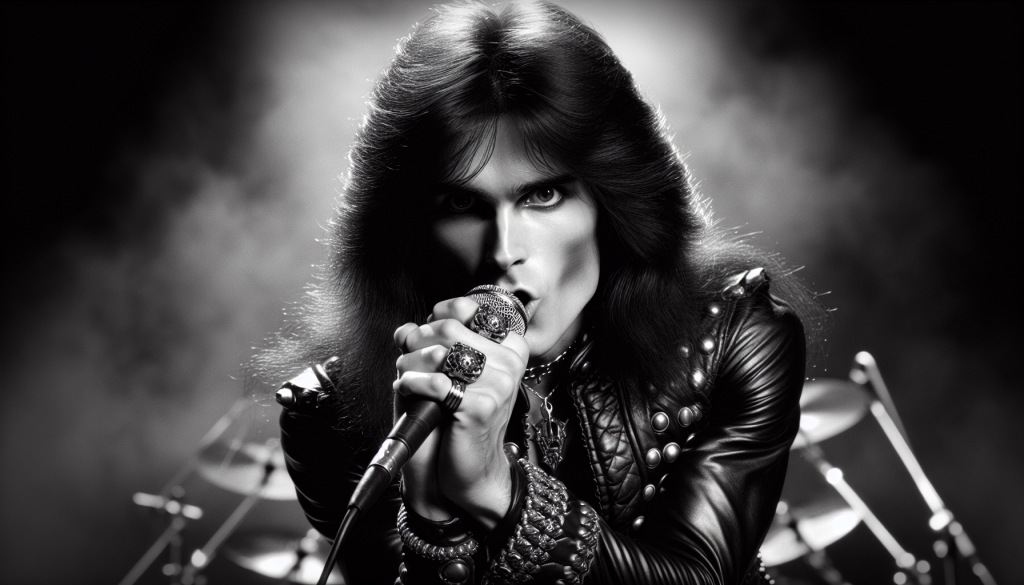
Paul Mario Day grew up in the vibrant music scene of London in the early 1970s, a period known for its explosive growth in rock and the emergence of what would become heavy metal. Inspired by the trailblazing sounds of British rock and blues, he immersed himself in music from a young age, initially participating in local bands and open mic sessions. Driven by his passion and unmistakable vocal talent, Paul developed a reputation among peers for his distinctive singing style, which would later become a critical aspect of his role in rock history as the original lead singer of Iron Maiden. His early love for powerful melodies and energetic performances paved the way for him to stand out among English singers of the era, setting the stage for his influential, if often understated, part in the evolution of 1970s music.
Becoming Iron Maiden’s first singer

When Steve Harris first began to assemble Iron Maiden in 1975, he was searching for a vocalist who could match his ambitious vision for a new kind of heavy metal band. Paul Mario Day’s charisma and powerful voice quickly caught Harris’s attention, leading to the invitation for Day to become Iron Maiden’s original lead singer. Paul’s arrival came at a time when the British rock landscape was evolving rapidly, with bands exploring heavier sounds and theatrical performances. Day’s vocal approach perfectly complemented Harris’s hard-driving bass lines and the band’s raw, energetic instrumentation, making him a natural fit for the fledgling lineup.
With Day as frontman, Iron Maiden made their debut on London’s live circuit, performing in pubs and small clubs where 1970s music fans gathered in search of something new. While the early songs that the band performed during this period, such as “Iron Maiden” and “Transylvania,” would eventually become classics, it was Day who helped infuse the
Memorable performances and recording sessions
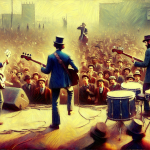
The earliest gigs fronted by Paul Mario Day remain legendary among die-hard Iron Maiden fans and connoisseurs of 1970s music. These performances pulsed with a raw energy that would define the New Wave of British Heavy Metal movement. Day’s powerful, blues-infused vocals gave life to the band’s embryonic tracks, often echoing through packed East London pubs where crowds craved new sounds. Audiences witnessed the original lead singer belt out early versions of songs like “Iron Maiden,” “Strange World,” and “Innocent Exile,” each delivered with Day’s commanding stage presence and unique vocal phrasing. These performances were crucial in establishing Iron Maiden’s reputation for high-octane, uncompromising shows long before the world would come to know them.
While no official studio recordings featuring Paul Mario Day were released, rare bootleg rehearsal tapes and live recordings have surfaced among collectors. These rough, candid sessions offer a glimpse into the band’s gritty rehearsal
Life after Iron Maiden
After his departure from Iron Maiden, Paul Mario Day remained a vivid figure in the world of 1970s music, channeling his charisma and vocal prowess into several ambitious projects. Refusing to let his time as the original lead singer define his entire career, Day quickly joined and formed new bands, lending his signature sound to outfits such as More, Wildfire, and the progressive rock group Sweet. Each of these ventures allowed him to experiment with different styles and push the boundaries of what British rock and heavy metal could be in the years following Maiden’s rise.
Throughout the 1980s and beyond, Paul Mario Day’s influence could be heard in the evolving sound of English singers who straddled the line between classic rock and the growing heavy metal movement. He eventually relocated to Australia, where he continued his musical pursuits both on stage and in the studio. Day collaborated with local bands, participated in tribute shows, and contributed to recordings that paid homage to his roots in
Paul Mario Day’s enduring legacy
Paul Mario Day’s mark on rock history is undeniable, even if it’s sometimes overshadowed by the towering legacy of Iron Maiden itself. As the original lead singer of the band, Day helped forge the early path of what would become one of heavy metal’s most iconic acts—a contribution recognized by ardent fans and music historians alike. His distinctive voice and stage presence during the formative years of Iron Maiden set a template for the energetic, aggressive sound that the group would later perfect and popularize worldwide.
Beyond his Maiden tenure, Paul Mario Day’s career continued to impact both his peers and the generations of English singers who followed. He brought a relentless passion to every music project, inspiring those around him to push the boundaries of 1970s music and metal. His willingness to reinvent himself, whether performing in progressive rock outfits or collaborating with fresh talent in Australia, showcased his enduring love for music and his adaptability in a constantly evolving industry.
Day’s influence can

Related Posts

Stay Informed With the Latest & Most Important News
Previous Post
Next Post









Advertisement


