
Now Reading: Remembering William Brent Hinds and his legacy with Mastodon
-
01
Remembering William Brent Hinds and his legacy with Mastodon

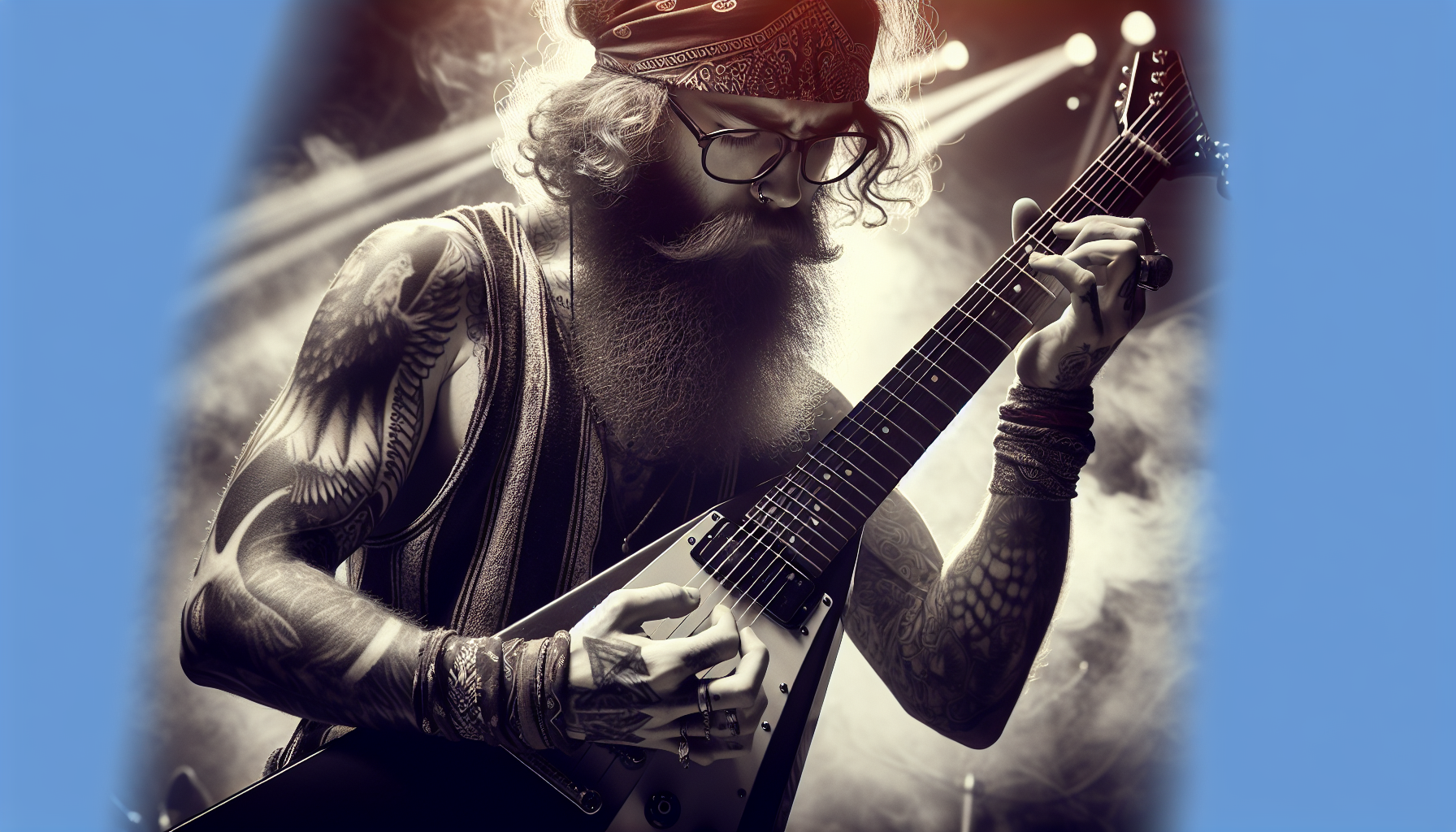

William Brent Hinds, as lead guitarist of Mastodon, brought a distinct and innovative approach to heavy metal that helped define the sound of modern metal. His technical skill, characterized by intricate fingerpicking, haunting slide guitar, and inventive riffs, set Mastodon apart from their peers. Drawing inspiration from Southern rock as well as progressive and sludge metal, Hinds infused Mastodon’s music with a blend of melody and aggression rarely seen in the genre. Alongside bandmates Bill Kelliher, Troy Sanders, and Brann Dailor, the Atlanta band redefined what it meant to be an American musician in metal. Hinds’ willingness to experiment with complex song structures and unconventional time signatures made him a celebrated figure among guitarists and fans alike, influencing the direction of heavy music over the past two decades.
Highlights from Mastodon’s discography
Looking across Mastodon’s celebrated discography, the creative spirit of William Brent Hinds is evident in the band’s most iconic releases. The Atlanta band’s breakthrough came with 2004’s “Leviathan,” a concept album inspired by Herman Melville’s Moby-Dick. Hinds’ soaring leads and dynamic riffs, especially on tracks like “Blood and Thunder” and “Iron Tusk,” set a new standard for progressive metal. The 2006 album “Blood Mountain” expanded these innovative tendencies; songs such as “Colony of Birchmen” highlighted Hinds’ ability to blend melody and complexity, while his interplay with fellow guitarist Bill Kelliher established a unique dual-guitar synergy. Mastodon’s critically acclaimed “Crack the Skye” (2009) pushed boundaries further, with Hinds’ emotive solos and slide guitar work on pieces like “Oblivion” and the title track adding a psychedelic depth to the heavy metal landscape. Through subsequent albums
Influence on fans and fellow musicians
The impact William Brent Hinds had as Mastodon’s lead guitarist extended well beyond the stage and studio, inspiring a generation of musicians and deeply resonating with fans around the world. For countless guitarists, his inventive playing techniques—ranging from blistering riffs to atmospheric slide work—became a blueprint for pushing boundaries within the heavy metal genre. Many emerging artists cite Hinds and the Atlanta band as foundational influences, pointing to his willingness to eschew traditional metal tropes in favor of experimental song structures and emotional expression. Fans often recall unforgettable live performances, where Hinds’ raw intensity and fluid style created an electrifying connection between band and audience. Online forums and social media are filled with stories from listeners who turned to Mastodon’s music—and the artistry of Hinds—for comfort, inspiration, and motivation in their own creative pursuits. Moreover, fellow musicians, including bandmates Bill Kelliher, Troy Sanders, and Brann Dailor, have repeatedly praised Hinds for his
Honoring a lasting musical legacy
The indelible footprint left by William Brent Hinds as lead guitarist of Mastodon continues to reverberate in the world of heavy metal and far beyond. Musicians from all genres have paid tribute to his singular vision and inventive approach, finding inspiration in his seamless blend of Appalachian roots, raw power, and progressive complexity. Concerts, tribute albums, and heartfelt social media posts reflect the reverence held for Hinds among both peers and newcomers to the scene. Within the Atlanta band itself, bandmates Bill Kelliher, Troy Sanders, and Brann Dailor often reflect on Hinds’ dedication to pushing boundaries and his insistence on authenticity as hallmarks that strengthened the creative spirit of Mastodon. Fans gather at shows donning artwork and lyrics that Hinds helped bring to life, ensuring that his contributions as an American musician are remembered and cherished. His riffs, slide guitar accents, and emotionally charged solos have become essential learning material for aspiring guitarists eager to absorb his legacy.

Related Posts


Stay Informed With the Latest & Most Important News
Previous Post
Next Post









Advertisement


