
Now Reading: Samuel Robert Rivers and the legacy of limp Bizkit’s bass
-
01
Samuel Robert Rivers and the legacy of limp Bizkit’s bass



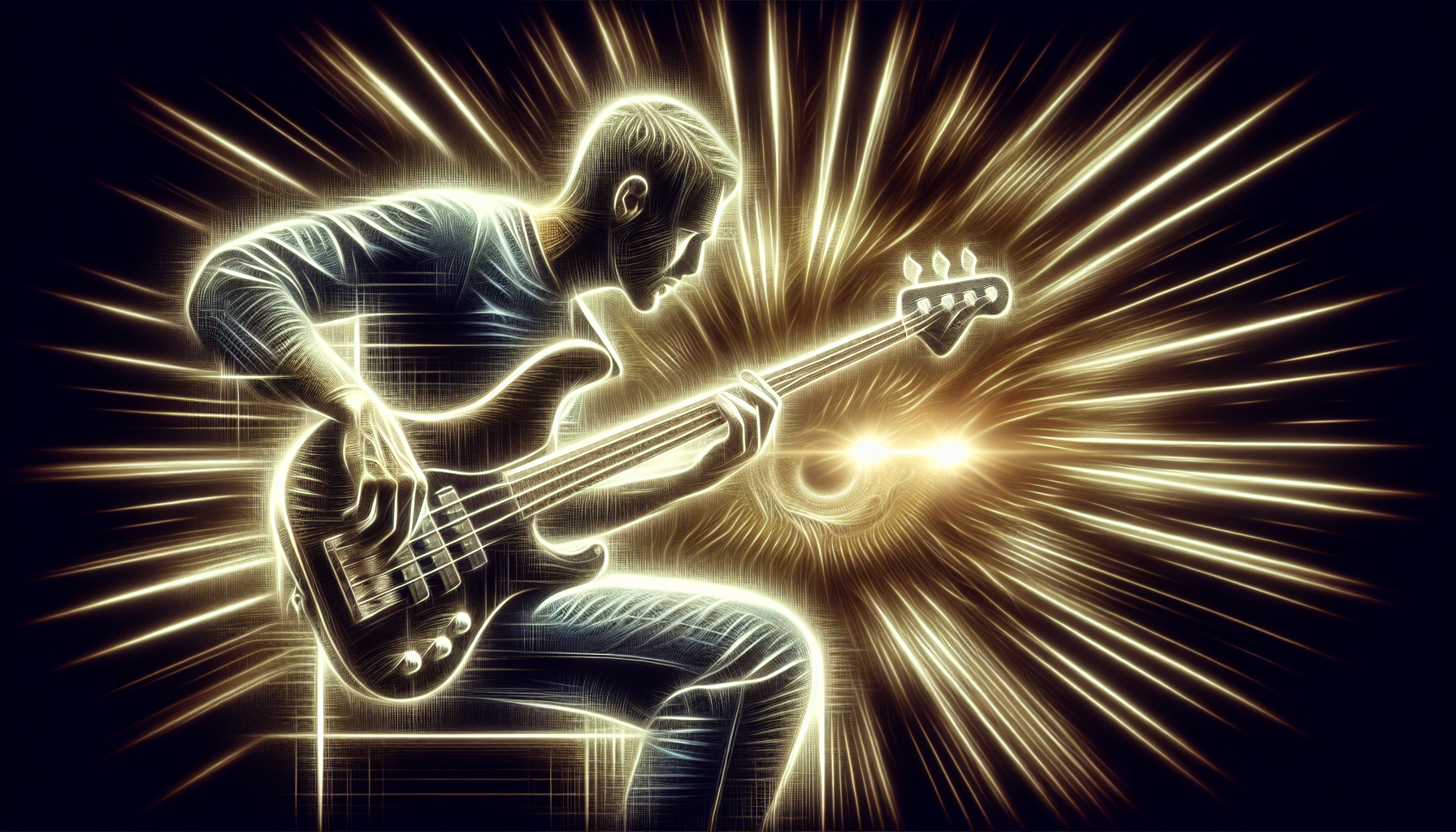 Growing up in Jacksonville, Florida, Samuel Robert Rivers was immersed in a rich musical environment that shaped his future as one of the best bass players in the nu metal scene. Raised in a household where music was respected and encouraged, young Sam Rivers developed a passion for rhythm and melody early on. His upbringing exposed him to a wide palette of genres, including funk, jazz, rock, and metal, which heavily influenced his unique bass style later showcased in Limp Bizkit.
Music became a serious pursuit for Rivers during his formative years. He gravitated towards the bass guitar, inspired by legendary American bassists such as Flea from Red Hot Chili Peppers and Les Claypool from Primus. He was captivated not only by their technical prowess, but by their ability to give the bass a leading role in the band’s sound. Rivers sought to emulate their innovative approaches, developing his own techniques that broke the mold of traditional rhythm section performances.
Rivers’ musical journey began in local bands with friends who shared his ambition. During high school, he met John Otto, a talented drummer and future Limp Bizkit bandmate. Their early collaborations allowed Rivers to hone his skills as both a bassist and a backing vocalist. Together, they experimented with complex rhythms and heavy grooves, laying the foundation for their signature style closely associated with the nu metal movement.
By his late teens, Rivers had established himself as a sought-after local musician with a growing reputation for creative playing. His command of slap bass techniques and intricate fingerwork stood out in the Florida rock scene, catching the attention of aspiring musicians and former members looking to form new projects. It was through this vibrant network that Rivers eventually met Fred Durst and Wes Borland, leading to the formation of Limp Bizkit in 1994.
Rivers’ dedication to his craft did not go unnoticed. He invested countless hours learning the nuances of popular bass lines and dissecting classic recordings to enhance his understanding of song structure and groove. His early influences—ranging from hard-hitting metal acts to funk pioneers—contributed to his reputation as an innovative and versatile musician. This foundation was essential in crafting the heavy, groove-driven sound that would define Limp Bizkit’s success and help Rivers earn recognition at events like the Gibson Awards.
For Samuel Robert Rivers, the journey from musical beginnings to nu metal stardom is rooted in a relentless passion for the bass guitar and a devotion to pushing musical boundaries. These formative experiences enabled him to shape the identity of an era and cement his place in musician history.
Defining the sound: rivers’ role in limp bizkit
Limp Bizkit’s meteoric rise in the late 1990s and early 2000s owed much to a distinctive sound that cut across boundaries—thanks in large part to Samuel Robert Rivers’ undeniable presence on bass. Far from occupying the typical background role assigned to many bassists, Rivers emerged as the backbone of the group’s sonic identity, building a style that made him a central force in shaping nu metal’s global footprint.
From the release of their debut album, Three Dollar Bill, Y’All$, Rivers’ contributions were impossible to ignore. His interplay with drummer John Otto established a rhythm section that defined the band’s groove-centric approach, setting Limp Bizkit apart from their contemporaries. Rather than merely supporting the guitars, Rivers’ bass lines often took on a melodic quality, weaving between the aggressive riffs of Wes Borland and the dynamic vocals of Fred Durst. This fluidity gave Limp Bizkit songs both depth and bounce, immediately appealing to fans of alternative metal and hip-hop alike.
A hallmark of Rivers’ style was his ability to blend funk-inspired slaps with metal’s punchy aggression. Songs like “Nookie” and “Break Stuff” showcase his knack for crafting bass parts that are both infectious and foundational. In “My Generation,” Rivers’ syncopated rhythms create a tension that propels the song forward, while on tracks like “Re-Arranged,” he demonstrates a more laid-back, melodic sensibility. His playing is always tightly locked with Otto’s drumming, but it never shies away from stepping into the spotlight during intros, fills, or breakdowns.
Rivers’ approach as both an american bassist and key backing vocalist added a level of complexity and versatility to Limp Bizkit. His vocal harmonies often thickened the choruses, giving the band a fuller, more robust sound in both studio recordings and live settings. This dual role contributed distinctly to hit singles and helped maintain the band’s energy during their explosive performances, earning Rivers accolades as one of the best bass players of his generation.
The process behind defining Limp Bizkit’s unique sound was collaborative but relied heavily on Rivers’ knack for genre-blending. Pulling from his roots in jazz and funk, Rivers injected songs with unexpected twists. His lines are as likely to groove as they are to thunder—evident in the approach to tracks like “Boiler,” where subtle moments of finesse coexist with heavy, driving sections. By refusing to conform to the stereotypical role of the bass, Rivers set a precedent for nu metal musicians and left an indelible mark on musician history.
Limp Bizkit’s influence can be felt in the countless bands that adopted their formula, but it is Rivers’ ingenuity and refusal to settle into the background that continues to inspire new generations of musicians in the genre. For Samuel Robert Rivers, being the heartbeat of Limp Bizkit was never about following trends—it was about reshaping what fans knew the bass could do.
Signature techniques and iconic basslines
Samuel Robert Rivers’ style as Limp Bizkit’s bassist is inseparable from the band’s electrifying energy and ground-breaking sound. He achieved this through a collection of techniques and writing skills that elevated his role beyond simple rhythm support, making him one of the most innovative American bassists of the nu metal era.
A defining element is Rivers’ fluid blend of slap bass and fingerstyle techniques. While slap bass had become a staple in funk, Rivers ingeniously applied it to heavier, guitar-driven formats. Tracks like “Nookie” and “Show Me What You Got” radiate with sharp, percussive slaps and pops, imbuing songs with bounce and attitude. This dynamic approach brought a new, danceable groove to Limp Bizkit’s catalog, making the bass a focal point in the sonic assault.
Just as vital is his command of syncopation. Rivers frequently crafts basslines that weave between guitar riffs and drum patterns, creating a push-pull tension that keeps listeners hooked. On “Take a Look Around,” he delivers a nimble, driving line that anchors the verses and builds suspense into each explosive chorus. The syncopated patterns in “My Generation” are another standout, pushing the tempo and showcasing Rivers’ tight chemistry with drummer John Otto.
Another signature move is Rivers’ ability to shift seamlessly between aggressive and melodic playing within the same song. In “Re-Arranged,” for instance, he opens with a smooth, melancholic groove that underscores the song’s emotional core, then transitions to assertive, anchored lines during the chorus. This duality showcases his musical maturity and highlights his bassist credentials among the best bass players of the late 1990s and early 2000s.
Some of the most iconic moments in nu metal history stem from Rivers’ inventiveness:
– “Break Stuff”: The menacing, gritty bass line is simple but brutal, hammering home the rebellious attitude that defines the track and frequently cited as a masterclass in heavy bass playing.
– “Boiler”: Rivers’ nuanced approach—pairing a moody, pulsing line in the verses with climactic, driving sections—demonstrates his range and drive to serve the song’s atmosphere above all.
– “Rollin’ (Air Raid Vehicle)”: The chugging, repetitive root notes provide a solid backbone for the track, illustrating Rivers’ understanding of groove and space within a heavy, hip-hop-influenced track.
Rivers also incorporates effects pedals and alternate tunings, adding diversity and depth to Limp Bizkit’s repertoire. Modulation, envelope filters, and distortion help him create thick, sweeping tones and punchy, aggressive textures—notably on tracks like “Full Nelson” and “Trust?” Investing in sound design, Rivers often shifted his setlist instruments during live shows, favoring five-string and custom basses for added low-end range and definition.
His flair for rhythm extends to backing vocalist duties. Rivers frequently sings harmonies or adds vocal color to choruses, a dual role rarely seen in heavier acts of the period. The thickened vocal presence is integral to signature hooks, contributing to the enduring popularity of tracks like “N 2 Gether Now.”
Key elements that define Rivers’ basslines and technique:
– Slap and pop articulation adapted to heavy rock contexts
– Syncopated interplay with drums for a propulsive feel
– Melodic sensibility woven into heavy, groove-oriented riffs
– Creative use of effects and alternate tunings
– Backing vocals that enhance song hooks and live energy
Samuel Robert Rivers’ contributions to Limp Bizkit’s legacy reach far beyond technical proficiency. By rewriting the rulebook for what an American bassist and backing vocalist could achieve in a nu metal context, he imprinted himself on musician history—proving that the best bass players are those who never stop innovating.
Collaborations and projects outside limp bizkit
Samuel Robert Rivers’ creative pursuits have always stretched beyond the boundaries of Limp Bizkit, establishing him as much more than the band’s sonic anchor. His distinguished reputation as an American bassist and backing vocalist enabled him to collaborate with an array of artists and participate in diverse musical ventures, further shaping his profile in musician history.
While continually driving Limp Bizkit’s innovative bass work, Rivers has regularly appeared as a sought-after session musician and live performer. His technical finesse and genre-bending experience have made him a favorite among fellow nu metal luminaries and artists from the broader rock and alternative scenes. Rivers’ studio collaborations frequently underline his skill at merging funk, metal, and groove, as he adapts his iconic slap and melodic fingerstyle to projects outside his primary band.
Notably, Rivers has worked alongside high-profile producers and instrumentalists, lending his signature low-end punch to both mainstream and underground acts. He has been invited to guest on tracks for up-and-coming rock groups, often bringing a distinctly aggressive yet groove-driven sensibility that he perfected during his years with Limp Bizkit. This approach allowed him to subtly shift the dynamics of other bands’ songwriting, giving them a rhythmic edge and expanding their sonic palette. Examples include quick-turn studio spots or remix contributions, where Rivers’ input is prized for its originality and commitment to songcraft.
In addition to high-energy studio work, Rivers has often participated in supergroup jams and special live events, sharing the stage with virtuosos from various genres. Multinational festival circuits and charity concerts have seen Rivers team up with notable names from the American metal and alternative rock communities. His seamless integration into these one-off projects highlights his adaptability and underlines why many consider him among the best bass players of his generation.
Beyond one-off collaborations, Rivers explored side projects during hiatuses in Limp Bizkit’s timeline. At multiple points, he experimented with launching or joining alternative acts—typically featuring a mix of rock, funk, and experimental elements that reflect his diverse musical upbringing. These explorations allowed him to showcase elements of his musicianship less frequently displayed in Limp Bizkit, granting fans deeper insight into his artistry and evolution.
Rivers’ background as a backing vocalist also enriched these endeavors. His knack for harmony and willingness to contribute vocals made him a valuable asset on recordings and live sets outside his main band. By reinforcing choruses or providing counter-melodies, he enhanced the depth and energy of collaborative performances, often bringing a familiar but fresh dynamic to new material.
Technology and sound production have also been a focus for Samuel Robert Rivers. Periodically, he has teamed up with equipment designers and boutique pedal manufacturers to develop or refine gear tailored to his unique approach to the bass. His input has informed new models of bass guitars and effects pedals, some touted as must-haves for players seeking the same blend of punch, clarity, and innovation that defined Limp Bizkit’s work.
Through guest spots, side projects, and a commitment to ongoing musical exploration, Rivers has demonstrated that his impact reaches far beyond his roots in nu metal. Each collaboration further cements his standing as an influential American bassist, and his willingness to invest his creative DNA into varied musical landscapes continues to inspire new talent and fans alike.
Lasting impact on nu metal and beyond
Samuel Robert Rivers has left an enduring imprint on the evolution of nu metal and extended his influence far beyond the genre’s heyday. As the sonic bedrock of Limp Bizkit, Rivers contributed significantly to the mainstream success of nu metal, helping solidify its commercial and cultural relevance in the late 1990s and early 2000s. The legacy he created as both an American bassist and prolific backing vocalist continues to echo throughout contemporary music circles.
The dynamic interplay Rivers established between aggressive rhythms and melodic nuance became a blueprint for subsequent bands aspiring to push the boundaries of heavy music. His ability to anchor songs with groove-laden bass lines provided a unique template for a style that bridged elements of rap, rock, punk, and metal—one of the core distinguishers of nu metal. Rivers’ inventive approach influenced emerging bassists who recognized that technical skill alone did not define the best bass players; rather, creativity and the power to propel music forward made lasting marks on musician history.
Beyond inspiring individual players, Rivers and his work with Limp Bizkit helped to shift the way bands thought about their rhythm sections. While guitarists and frontmen often garnered most of the spotlight in rock and metal circles, Rivers’ prominence proved the bass could serve as a lead voice and not just a supporting element. His success as a backing vocalist further emphasized the role multi-dimensional musicians could play in shaping a band’s overall identity and commercial appeal.
The ripple effect of Rivers’ musicianship can be traced across genres that meld heaviness with groove and experimentation. Modern metal, hardcore, and alternative acts often cite his approach to syncopation, slap technique, and tone sculpting as pivotal reference points. At music festivals, on social media, and within mainstream press, Rivers is frequently mentioned in rankings of the best bass players, a testament to the breadth of his legacy.
Industry recognition, including nominations at events like the prestigious Gibson Awards, reflect the high regard in which he is held by both peers and critics. These accolades validate his technical achievements and creativity, but perhaps more importantly, they highlight his role in transforming the perception of what it means to be a true American bassist within popular music. Rivers’ pursuit of sonic innovation—through gear customization, effects experimentation, and genre cross-pollination—laid the groundwork for a broadening of bassists’ artistic horizons everywhere.
Additionally, Rivers’ presence in nu metal’s global surge established an exchange of ideas between American and international scenes. The grooves and phrasing he championed reverberate in the works of overseas acts that found inspiration in the nu metal movement’s blend of aggression and accessibility. As new generations pick up the bass, tutorials and covers of Rivers’ iconic Limp Bizkit tracks continue to flourish online, testifying to his ongoing relevance and influence.
In classrooms, studios, and rehearsal spaces worldwide, Samuel Robert Rivers’ innovative spirit endures. His role in shaping the identity of Limp Bizkit and the larger nu metal genre ensures his place in musician history—not just as a band member, but as a creative force whose impact will reverberate through the evolution of heavy music for decades to come.

Stay Informed With the Latest & Most Important News
Previous Post
Next Post









Advertisement


