
Now Reading: The enduring legacy of Clem Burke with Blondie and the Ramones
-
01
The enduring legacy of Clem Burke with Blondie and the Ramones



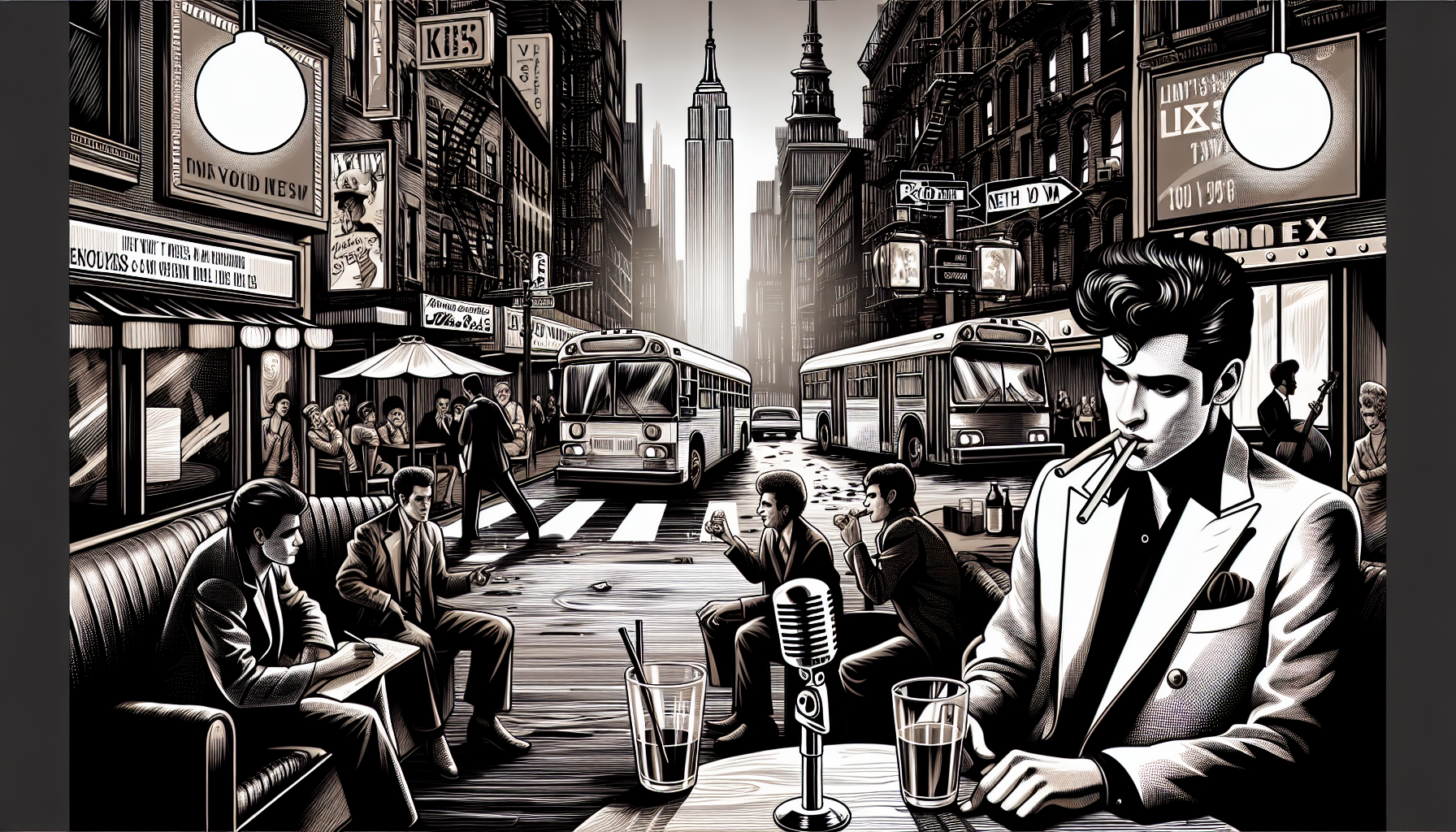
Clem Burke stands out as a key figure in shaping the sound and spirit of both punk and new wave music. As the drummer for Blondie, his energetic and innovative rhythms brought a distinctive flair that complimented Debbie Harry and Chris Stein’s songwriting, helping to define the band’s genre-blending style. Burke’s approach drew from a wide range of influences, from the raw power of early rock and roll to the technical prowess found in classic pop music, setting him apart from his contemporaries in the late 1970s New York scene. His ability to blend urgency with finesse made Blondie’s music instantly recognizable, pushing punk beyond its initial boundaries and helping to usher in the eclectic sounds of new wave. While many drummers of the era focused on speed or simplicity, Clem Burke infused Blondie’s tracks with sophisticated patterns and memorable fills, leaving a vibrant mark on music history that continues to inspire artists across genres.
Drumming with Blondie: defining an era

Behind the drum kit, Clem Burke became an essential force in the evolution of Blondie’s unmistakable sound. As the band moved through diverse styles—from punk to disco, reggae to hip-hop—Burke’s drumming provided a consistent foundation that both anchored and elevated each track. His style was marked by relentless energy and precision, seamlessly fusing the intensity of punk with the infectious grooves required for Blondie’s forays into dance music. Tracks like “Heart of Glass” and “Dreaming” illustrate Burke’s ability to inject intricate fills and driving beats without overwhelming the melodic structure crafted by Debbie Harry and Chris Stein. Through his technical chops and creative intuition, Burke brought drama and dynamism to Blondie’s recordings and electrifying live shows, shaping their live identity with his animated performances. His signature flourishes—rapid hi-hat work, adventurous tom fills, and a flair for dramatic cymbal crashes—helped turn songs into enduring anthems of their time, cementing his
A brief stint with the Ramones
In 1987, Clem Burke took on a surprising and memorable role outside his long-standing position with Blondie when he joined the Ramones for a brief yet storied stint. Adopting the moniker “Elvis Ramone,” Burke stepped in as the iconic punk band’s drummer during a transitional period, filling in after the departure of Richie Ramone. Though his tenure with the Ramones lasted for only two shows—each marked by intense speed and ferocious energy—this short chapter in music history is legendary among fans. Even in such a limited timeframe, Burke faced the immense challenge of adapting to the Ramones’ signature rapid-fire tempos and relentless setlists, which differed greatly from Blondie’s more eclectic and stylistically varied catalog.
Burke’s experience with the Ramones proved both physically and mentally demanding, but it showcased his enduring professionalism and skill as a drummer. The energy and stamina required to keep pace with songs like “Blitzkrieg Bop
Legacy and impact on future generations
Clem Burke’s lasting impact on music history extends well beyond his high-profile performances with Blondie and his fleeting but memorable stint as Elvis Ramone with the Ramones. As an American musician who continually pushed the limits of what a drummer could bring to punk, new wave, and rock, Burke has become a touchstone for countless artists who came after. His technical prowess and ability to merge rock’s raw energy with a pop sensibility have influenced generations of drummers across the globe, from indie upstarts imitating his flashy fills to established bands paying homage to his inventive style and steadfast professionalism.
Burke’s tenure with Blondie and his collaborations with legends such as Debbie Harry and Chris Stein have made him a reference point for musicians aiming to cross musical boundaries without losing their core identity. The adaptable and adventurous spirit he brought to each project serves as an enduring lesson in versatility and creativity; his discography is often studied by young drummers exploring the relationship between rhythm and melody.

Related Posts



Stay Informed With the Latest & Most Important News
Previous Post
Next Post








Advertisement


