
Now Reading: The History of singer, songwriter, guitarist and record producer Raul Francisco Martínez-Malo Jr.
-
01
The History of singer, songwriter, guitarist and record producer Raul Francisco Martínez-Malo Jr.
The History of singer, songwriter, guitarist and record producer Raul Francisco Martínez-Malo Jr.

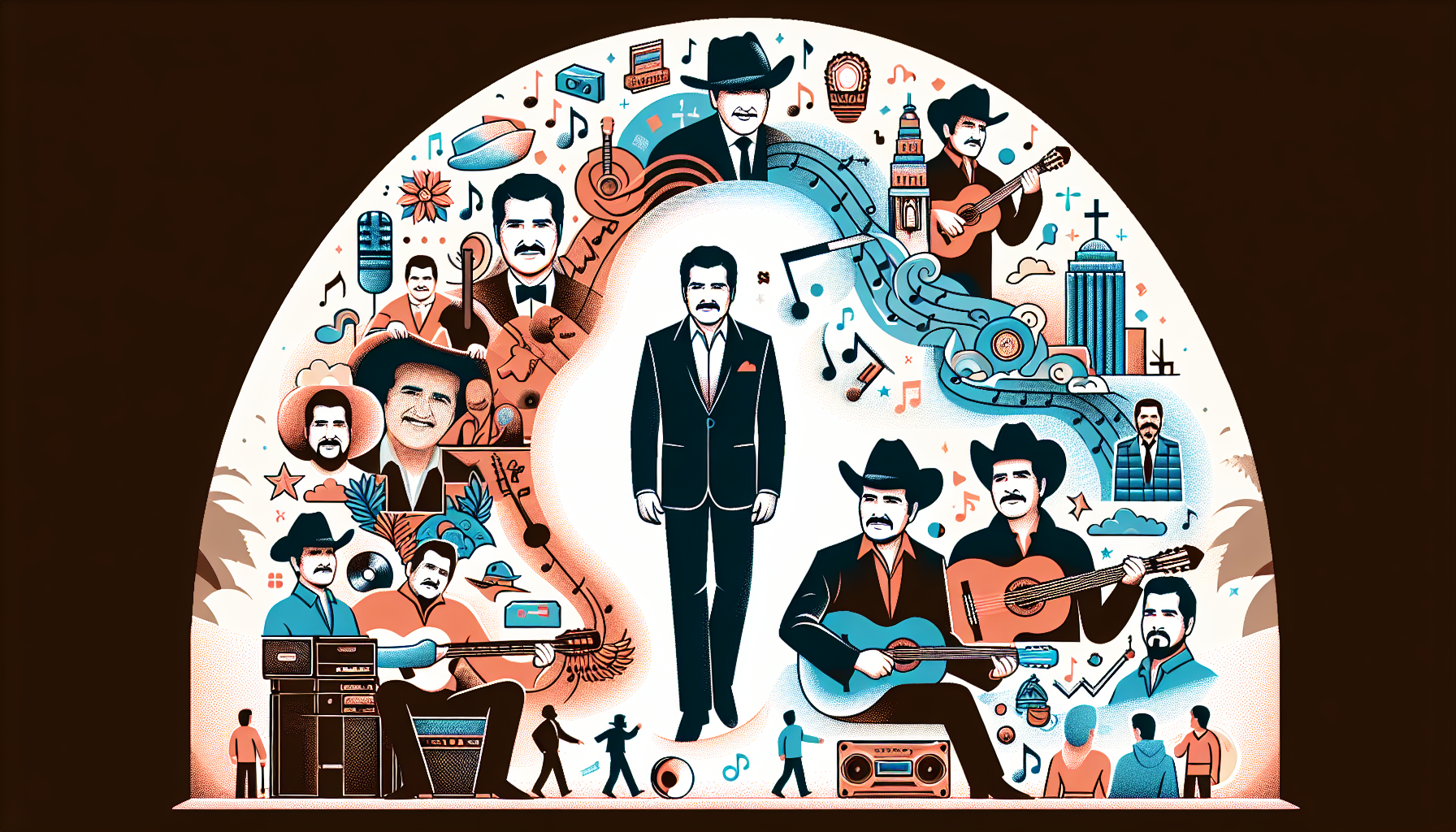


Raul Francisco Martínez-Malo Jr.’s journey begins in the vibrantly multicultural streets of Miami, Florida, an epicenter of Latin-infused sounds and swirling artistic energy. Born into a Cuban-American family, Raul’s world was colored by melodies from two continents: the rich rhythms and mournful poetry of old Havana, and the boundless, genre-blurring creativity of American pop and rock. His father, Raul Martínez-Malo Sr., was an accomplished percussionist whose stories of performing in Cuba would echo through their household, while his mother nurtured his passion for singing with lullabies that blended nostalgia and hope. This eclectic environment fostered Raul’s early love for music; he recalls, with a characteristic grin, falling asleep to the thrum of congas and waking up to the strums of his first guitar.
Raul’s first steps into the musical world were shaped by diverse influences that spanned everything from classic Latin rhythms to American rock ‘n’ roll and contemporary pop. From the very start, he was irresistibly drawn to the storytelling power of traditional boleros, yet he was equally mesmerized by the throaty twang of country legends like Hank Williams and the rebellious spirit of The Beatles. Inspired by his father’s tales and surrounded by a family of amateur musicians, he picked up various instruments—first the guitar, then piano, and even dabbled in percussion—determined to uncover every sonic possibility.
– 1970s: Raul, still in elementary school, began taking piano lessons and sang in his local church choir.
– Early 1980s: Fascinated by the budding New Wave scene, he taught himself guitar and started composing original songs, blending Spanglish lyrics and chord progressions that nodded to both
Breakthrough and rise to fame
Raul Francisco Martínez-Malo Jr.’s roots in the Miami music scene fueled his meteoric rise—a journey marked by restless creativity and relentless ambition. His breakthrough came not with a sudden flash, but through hard-fought gigs, word-of-mouth buzz, and a handful of electrifying performances that caught the attention of industry insiders. By the mid-1980s, Raul was a regular name at open mics and intimate venues from Miami’s Calle Ocho to South Beach, captivating crowds with his charismatic stage presence and a curious blend of classic Latin soul and contemporary pop. That confidence, paired with raw, heartfelt songwriting, started turning heads beyond the local scene, and before long, Raul found himself at the crossroads of opportunity and destiny.
– 1985: Raul recorded his self-produced debut EP in a friend’s makeshift studio, fusing vintage Cuban motifs with glimmers of alt-rock and folk. The resulting sound was fresh—utterly his own—and quickly became the talk of Florida’s underground music circuit.
– 1986: A breakthrough came when Raul and his newly formed band, The Malo Collective, landed an opening slot for Gloria Estefan at a sold-out Miami Beach show. The performance was electric, and Raul’s name ricocheted through local media as “the next big thing.”
– 1987: The buzz caught the attention of a major label A&R scout. Raul signed his first recording contract, marking the official launch of his national career.
– 1988: His debut album “Crossroads in Havana” dropped that spring, heralded by critics for its fearless fusion of Latin percussion, American soul, and poetic lyricism. Its lead single, “Distant Lights,” climbed the Billboard Latin charts
Signature style and notable collaborations
Raul Francisco Martínez-Malo Jr. swiftly carved out a sound that defied easy categorization—melding his Cuban heritage with Americana roots and pop innovation, and ultimately stamping the American music scene with a bold, authentic identity. Fans and critics alike often remarked that Raul’s signature style was both instantly recognizable and endlessly innovative: he delivered smoky vocals over intricate guitar lines, weaving stories that echoed his Miami roots while sidestepping stereotypes. Raul’s albums and live shows burst with the rhythmic undertow of son and bolero, but they also shimmered with the crystalline clarity of early ’90s pop and that chest-thumping drive of U.S. heartland rock. This meeting of worlds—old and new, Latin and American, acoustic and electric—became his calling card, drawing a generation of listeners eager to hear something different.
Martínez-Malo’s musical DNA pulsed with collaboration as much as with originality. After the release of his debut album, he became a sought-after studio guest, his guitar and honey-soaked harmonies gracing projects from up-and-coming salsa groups to indie darlings hunting for a Latin flair. He was just as comfortable trading solos in downtown Miami lofts with jazz icon Arturo Sandoval as he was sitting in Nashville writing rooms with Americana songwriter Rosanne Cash. These collaborations rarely felt like business—stories from fellow musicians describe Raul’s sessions as joyful, spontaneous affairs, fueled by late-night cafecitos and a relentless pursuit of the perfect hook.
– 1989: Raul teamed up with Miami Sound Machine’s legendary producer, Emilio Estefan, working behind the scenes on several chart-topping Latin pop singles. The pairing sparked fresh experiments in electronic beats layered beneath Raul’s acoustic guitar seeds.
–
Legacy and impact on modern music
Over the years, Raul Francisco Martínez-Malo Jr. has forged an indelible legacy, touching not just the sound of a generation but the spirit of a changing musical landscape. His journey from Miami’s vibrant Cuban-American neighborhoods to the international stage inspired countless artists to embrace their own heritage and infuse it fearlessly into modern genres. His ability to seamlessly blend classic Latin traditions with American pop and rock resonated loudly during a time when audiences craved something both rooted and refreshing. Today, as new musicians retrace the innovations of the late twentieth and early twenty-first centuries, Raul’s fingerprint can be felt in everything from chart-topping crossover hits to the bold experimentations of indie singer-songwriters.
Martínez-Malo’s career is a tapestry of milestones that demonstrate a relentless commitment to authenticity and sonic innovation. In 1991, his trailblazing album “Americana Nights” pioneered a now-common thread of bilingual lyricism, earning him the first of three Latin Grammy Awards for Best Fusion Album. The 1994 global tour that followed ushered his band into iconic venues—the Olympia in Paris, New York’s Carnegie Hall—drawing crowds as diverse as his music. By the turn of the millennium, Raul’s distinctive production genius became a touchstone for up-and-coming artists, with his hands shaping breakout records for both pop prodigies and established legends looking to reinvent their sound. An advocate for Latinx representation in mainstream music, he headlined the inaugural Miami Worldbeat Festival in 2002, uniting artists across national and stylistic boundaries.
– 1991: Receives first Latin Grammy for his game-changing “Americana Nights” album.
– 1994: Launches sold-out world tour, introducing bilingual performances to

Related Posts


Stay Informed With the Latest & Most Important News
Previous Post
Next Post










Advertisement


