Now Reading: Remembering David Roger Johansen the voice of the New York Dolls and Buster Poindexter
-
01
Remembering David Roger Johansen the voice of the New York Dolls and Buster Poindexter
Remembering David Roger Johansen the voice of the New York Dolls and Buster Poindexter

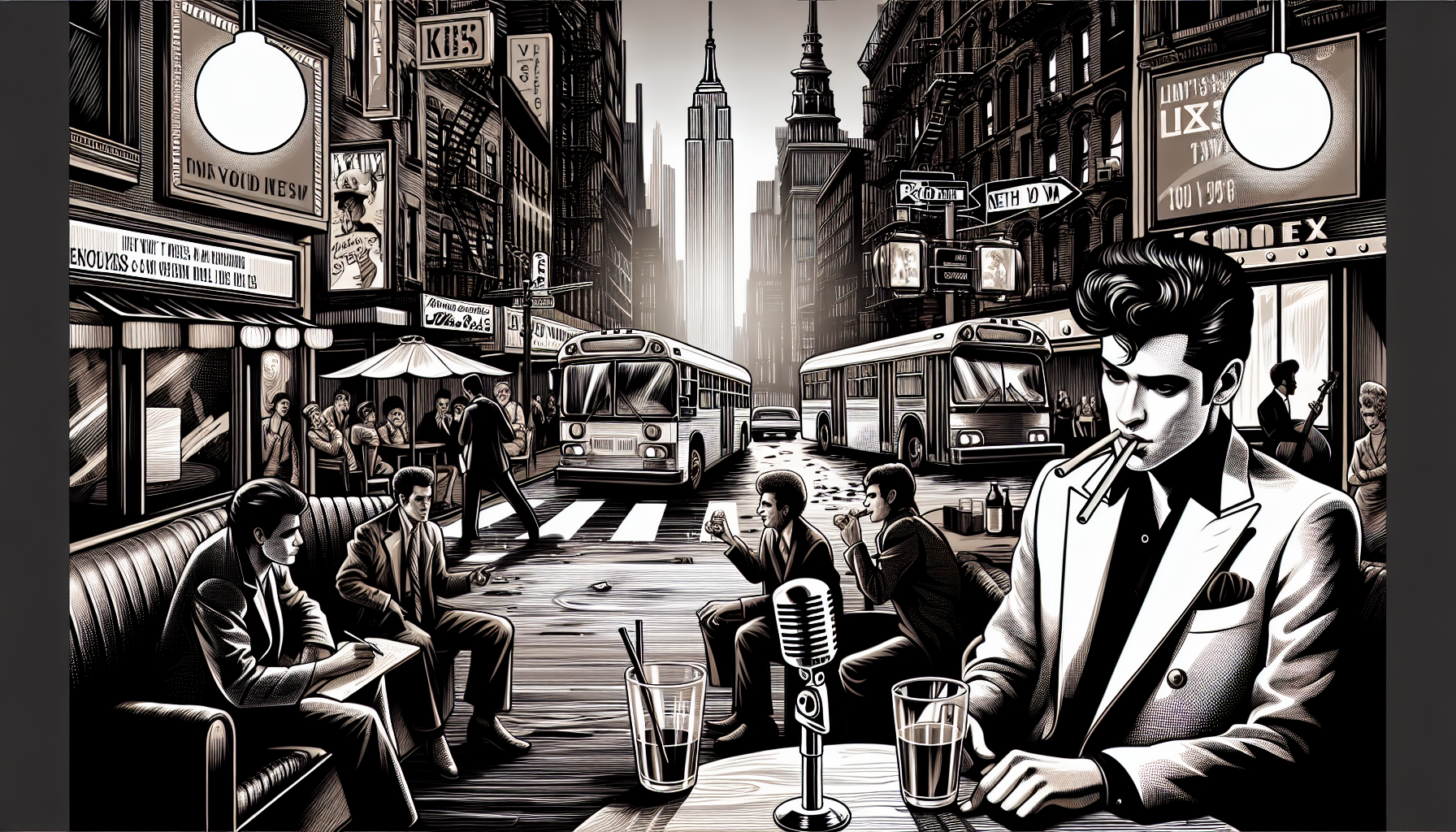

David Roger Johansen was born on January 9, 1950, in Staten Island, New York. Growing up in a working-class family, Johansen was exposed to a wide variety of musical styles from an early age. His parents’ record collection introduced him to the sounds of rhythm and blues, doo-wop, soul, and early rock and roll, artists such as Muddy Waters, Bo Diddley, and the Rolling Stones leaving a particularly strong impression on the future American singer, songwriter, and actor. As a teenager, Johansen became immersed in New York City’s vibrant cultural scene, frequenting small clubs and record shops, and developing an affinity for the raw energy and rebellious spirit that would later define his work with the New York Dolls. Inspired by blues vocalists and flamboyant performers, he began singing in local bands, experimenting with the styles that would later shape his approach to music. These formative experiences cultivated his unique voice and stage presence, laying the groundwork
Rise to fame with the New York Dolls
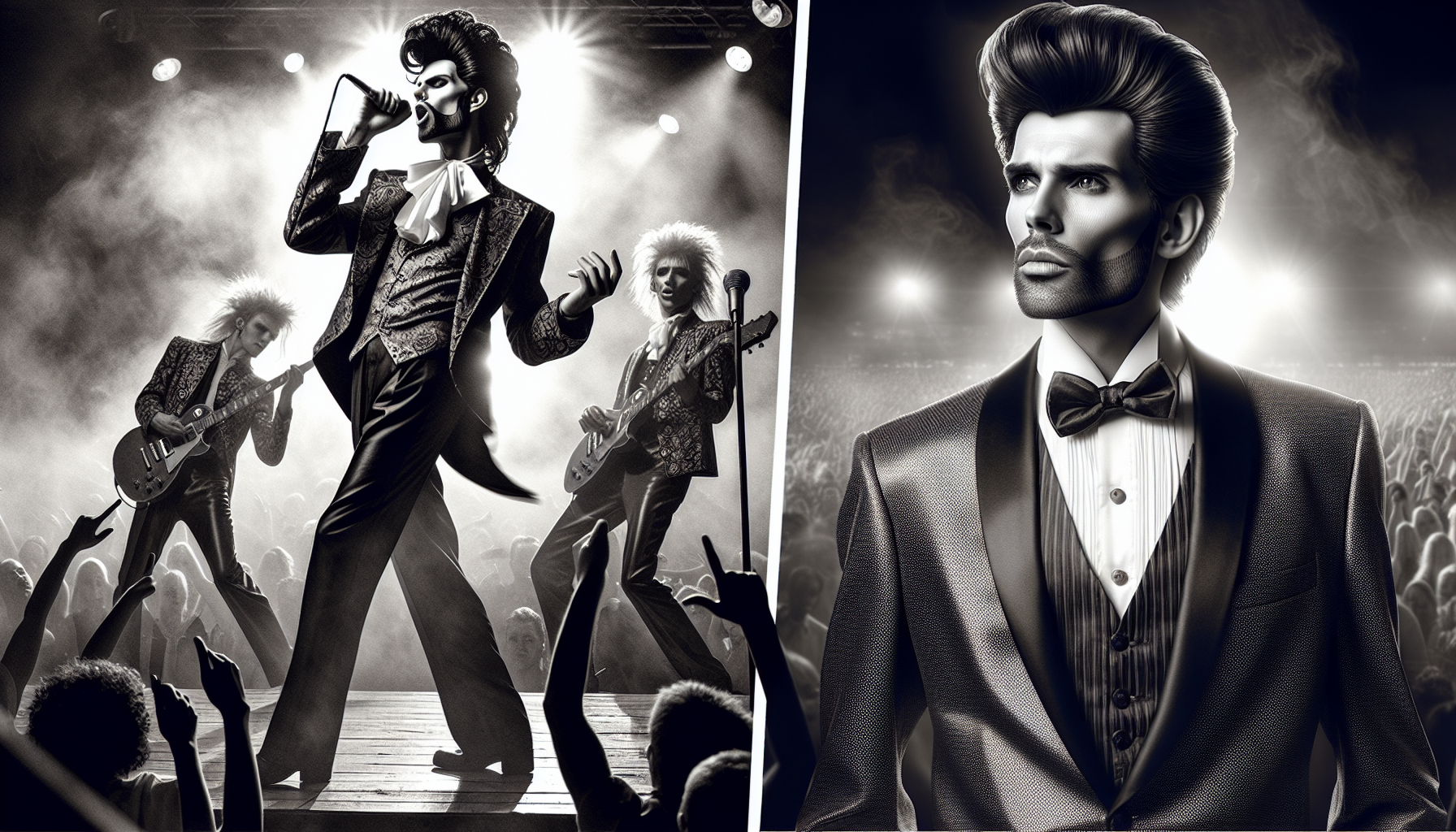
When David Roger Johansen became the frontman of the New York Dolls in the early 1970s, he stepped into a scene that was hungry for something raw, unpredictable, and new. The Dolls’ aesthetic—loud, androgynous, straddling the line between glamour and decay—set them apart from the traditional rock acts dominating American airwaves. Johansen’s raspy vocals and electrifying stage presence became a driving force behind the band’s energy, as the group took cues from British glam and American rhythm and blues but cranked up the volume to dizzying heights. His wild charisma and ability to connect with audiences helped the New York Dolls become a staple of Manhattan’s club circuit, where their reputation as wild, cross-dressing provocateurs steadily grew.
With Johansen as their unmistakable voice, the New York Dolls released their self-titled debut album in 1973, followed by “Too Much Too Soon” the next year.
Buster Poindexter and solo career
After the New York Dolls disbanded in the late 1970s, David Roger Johansen embarked on a solo career, eager to explore new musical directions beyond his proto-punk roots. His theatricality and versatility as an American singer, songwriter, and actor set the stage for his next reinvention—the creation of Buster Poindexter. Channeling sly sophistication and a lounge lizard persona, Johansen debuted Buster Poindexter in Manhattan’s clubs, soon turning the alter ego into a phenomenon of its own. Sporting sharp suits and slicked-back hair, he traded the snarl of the Dolls for a witty lounge singer charm, drawing inspiration from big band, jump blues, and classic rhythm and blues.
Buster Poindexter found mainstream popularity with his infectious and tongue-in-cheek cover of “Hot Hot Hot,” a calypso tune that became a surprise party anthem and chart staple in the late 1980s. The song’s success propelled
Legacy and impact on music
Few artists have left a mark as enduring and multifaceted as David Roger Johansen. Revered for his fearless style and creative risk-taking, he shaped the landscape of several musical genres over his decades-long career. As the voice of the New York Dolls, Johansen was instrumental in ushering in the raw, brash energy of proto-punk. The Dolls’ flamboyant look and incendiary sound inspired countless musicians, directly influencing the birth of the punk rock movement and paving the way for later acts like the Sex Pistols, Ramones, and Blondie. Beyond his group’s cult legacy, Johansen’s solo endeavors and unforgettable transformation into Buster Poindexter showcased his range as an American singer, songwriter, and actor, demonstrating his refusal to be confined by a single style or identity.
Johansen’s influence stretched far beyond the stage. Through television appearances, film roles—including his memorable turn as the Ghost of Christmas Past in “Scrooged”—and a

Related Posts


Stay Informed With the Latest & Most Important News
Previous Post
Next Post







Advertisement