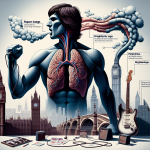
Now Reading: Spinning Wheel: David Clayton-Thomas-The story behind the voice of a generation
-
01
Spinning Wheel: David Clayton-Thomas-The story behind the voice of a generation


David Clayton-Thomas emerged from the vibrant beat of the 1960s to become a formidable cultural icon, a voice that transcended borders and generations. Born in Surrey, England, his early life was marked by a series of transformations, both geographical and artistic, that would shape his identity as a singer-songwriter. His family moved to Toronto, Canada, when he was still a child, immersing him in a diverse cultural milieu that, unbeknownst to him at the time, would later influence his distinct musical style. As a teenager, he found solace in the passionate rhythms of blues and jazz, molding his nascent musical inclinations.
What set Clayton-Thomas apart was not merely his adoption of the prevailing musical trends; it was his ability to innovate within them. By the age of twenty, he had begun crafting a unique sound that melded soul, jazz, and rock into a seamless auditory tapestry. Yet, it was his unforgettable contribution as the lead vocalist for Blood, Sweat & Tears in 1968 that truly catapulted him into the limelight. His powerful, gravelly voice became synonymous with the groundbreaking band’s success, breathing life into hits that would leave an indelible mark on the landscape of music.
When Clayton-Thomas fronted the band’s self-titled album release in 1969, it was evident that a new musical force was on the horizon. “Spinning Wheel,” a now-legendary track, showcased his commanding vocal prowess and helped propel the album to widespread acclaim. His distinct musical interpretation coupled gospel-influenced fervor with the intellectual depth of jazz, captivating audiences worldwide.
A voice that resonated
The release of “Blood, Sweat & Tears” in 1969 marked more than a commercial success; it was a moment of extraordinary vocal expression led by David Clayton-Thomas. His voice was indeed a force, a blend of raw power and subtle nuance that communicated more than just lyrics—it conveyed emotions that listeners felt in every note. Tracks such as “Spinning Wheel” and “You’ve Made Me So Very Happy” demonstrated his ability to drive a narrative through song, combining storytelling with melodic innovation. Each performance was not just about technical skill but about connecting deeply with the audience; it was as if he sang every word with an intensity that demanded attention.
Clayton-Thomas’s voice was a beacon that resonated with the era’s desire for growth and change, mirroring the social and cultural upheavals of the time. It reflected his roots in blues and jazz, music born out of struggle and passion. Through his soulful articulation, he captured the zeitgeist of a generation, providing a soundtrack for those navigating what it meant to love, question, and hope in a rapidly transforming world. His resonant baritone became more than just a musical accompaniment; it served as a clarion call, encouraging listeners to explore deeper themes of existential and emotional inquiry.
This extraordinary connection to his audience helped transform the band’s songs into anthems of an era. Whether through his poignant delivery of an emotional ballad or his dynamic execution of an up-tempo hit, his performances transcended mere entertainment. Audiences found themselves immersed in a shared experience, united by the power of his voice and presence on stage. His ability to elicit collective sentiment solidified his role not merely as a singer-songwriter but as a voice that captured the spirit of his times.
Behind the scenes of the hit
The creation of “Spinning Wheel,” one of the most iconic tracks by Blood, Sweat & Tears, was far from a straightforward endeavor. Behind the scenes, a blend of creative tension, collaboration, and sheer artistic genius unfolded, leading to the birth of a song that would become synonymous with David Clayton-Thomas’s remarkable career. The band’s synergy was palpable, yet the journey to producing a hit involved navigating a myriad of musical influences and personal dynamics. Each member brought their unique flair to the table, setting the stage for a harmonious collaboration that challenged and inspired everyone involved.
David Clayton-Thomas played a pivotal role in this creative process, drawing upon his rich background in jazz and blues to infuse the song with an emotional depth that resonated with listeners. The band’s sound engineer painstakingly captured the raw energy of the studio sessions, ensuring that every nuance of Clayton-Thomas’s powerful vocal delivery was preserved. The interplay between the horn section and the rhythm instruments provided a dynamic backdrop against which his voice could soar, a testament to the meticulous attention to detail that characterized the production.
Yet, the creation of “Spinning Wheel” was not just about technical craftsmanship; it was about tapping into the zeitgeist of a generation in flux. As the band worked tirelessly in the studio, there was an unspoken understanding that they were crafting more than just music; they were creating a piece of cultural history. Each ingredient of the song—from the introspective lyrics to the infectious melody—was carefully honed, driven by Clayton-Thomas’s vision and the band’s collective commitment.
This commitment paid off when “Spinning Wheel” was released to critical and commercial acclaim.
Cultural impact and legacy
With “Spinning Wheel,” David Clayton-Thomas, alongside Blood, Sweat & Tears, etched an enduring mark on the music of the late 1960s and early ’70s. The song became a cultural touchstone, capturing the essence of an era that was defined by its quest for meaning amidst widespread social upheaval. It served as an anthem that carried significant resonance during a time when music not only entertained but also provoked thought and inspired change. The track’s probing lyrics and infectious melody struck a chord across all ages, elevating it to a status of timelessness.
The album “Blood, Sweat & Tears,” which bore “Spinning Wheel,” was a commercial powerhouse, bridging gaps between genres and appealing to an incredibly diverse audience. Its success highlighted the versatility and reach of the band’s jazz-rock fusion, making it a staple in the canon of classic rock and a study subject for music enthusiasts and scholars alike. As hits like “Spinning Wheel” topped charts and received extensive airplay, Clayton-Thomas and the band did more than achieve commercial success; they encapsulated a moment in history through art. The Grammy Awards showered upon them signified industry acknowledgment, but the real legacy lay in how the music influenced listeners’ lives, echoing through decades.
Beyond the charts, David Clayton-Thomas’s haunting voice and innovative artistry challenged existing music paradigms and paved the way for future generations of singer-songwriters. His distinct integration of diverse musical styles heralded a new wave of creativity and set a precedent for genre experimentation. Musicians today still draw inspiration from the amalgamation of soul, jazz, and rock that Clayton-Thomas perfected. His work with Blood, Sweat & Tears became more than just influential; it was transformational, expanding.
Enduring influence on music
David Clayton-Thomas’s contributions to music, particularly through his work with Blood, Sweat & Tears, have permeated the fabric of modern music, leaving an indelible mark on the industry. His ability to fuse genres and elevate the art of storytelling in music opened doors for countless artists longing to blend emotional depth with technical brilliance. The innovative spirit he embodied, encapsulated in the iconic track “Spinning Wheel,” set a benchmark for what could be achieved within popular music, challenging artists to push beyond the confines of traditional genre boundaries.
His vocal prowess, characterized by a distinct, gravelly intensity, paved the way for singer-songwriters who sought to express complex emotions and narratives in their own unique voices. The genre-crossing appeal of his work broke barriers, encouraging a dialogue between jazz, rock, and soul that influenced the compositions of future generations. Bands and solo acts alike found inspiration in the way Clayton-Thomas delivered raw emotion with calculated precision, urging them to explore new sounds and approaches to music creation.
Over the years, songs like “Spinning Wheel” have transcended their initial popularity to become a part of the cultural lexicon, frequently covered and sampled by artists from varying genres. This creative recycling underscores the lasting relevance of Clayton-Thomas’s work and its capacity to inspire new interpretations. His ability to translate a societal moment into an enduring anthem illustrated the transformative power of music, providing a rich source of inspiration that resonates through contemporary styles.
This legacy endures not only in the echoes of his innovation but in the hearts of audiences who continue to discover and appreciate his artistry. Through his groundbreaking contributions to music, David Clayton-Thomas has secured his place as a true pioneering spirit, paving the way for emergent talents to dare to think differently.

Related Posts

Stay Informed With the Latest & Most Important News
Previous Post
Next Post






Advertisement