Now Reading: The enduring legacy of David Clayton-Thomas and Spinning Wheel
-
01
The enduring legacy of David Clayton-Thomas and Spinning Wheel


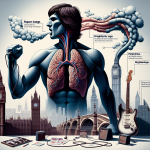
Born David Henry Thomsett, David Clayton-Thomas entered the world on September 13, 1941, in Kingston upon Thames, Surrey, England. Moving to Toronto, Canada, at the age of five, Thomas would find himself at the intersection of multiple musical traditions. His earliest experiences with music were shaped by his father, a Canadian soldier and accomplished musician, and his mother, an English music lover whose passion for classical compositions filled their home. As a young boy in the vibrant city of Toronto, he absorbed the lush tapestry of cultural sounds—from the jazz scenes of local clubs to the heartfelt rhythm and blues emerging from across North America, all of which would later influence his own musical tapestry.
Despite facing a turbulent youth marked by brushes with the law and time spent in reform schools, Clayton-Thomas’s musical passion never waned. It was during his time in these facilities that he used music as an emotional outlet, realizing its power to transform and communicate when words failed. Brought up on a steady diet of Ray Charles, John Lee Hooker, and other blues legends, these sounds resonated deeply within him, acting as both sanctuary and beacon. As he navigated this rough terrain, Clayton-Thomas found himself performing at cafes and street corners, gradually earning a reputation for his deep, soulful voice and dynamic stage presence.
By the late 1960s, Clayton-Thomas had solidified his reputation in Toronto’s local music circuit. It was during this time that he crossed paths with the band that would become significant in rock history: Blood, Sweat & Tears. The band was already known for its innovative blend of rock and jazz, but with Clayton-Thomas at the helm as the lead vocalist, their sound soared to new heights. Little did anyone know that Clayton-Thomas’s rich, booming voice along with his impassioned performances would soon lead the band to international acclaim, primarily fueled by their hit song, “Spinning Wheel.”
These musical roots and diverse influences not only shaped the
Rise to fame with Blood, Sweat & Tears
David Clayton-Thomas’s rise to fame with Blood, Sweat & Tears marks a pivotal chapter in rock history, solidifying his place within the music legacy. Joining the band in 1968 proved to be a transformative moment, both for Clayton-Thomas and the group. Blood, Sweat & Tears, originally formed by Al Kooper and other jazz and rock musicians, was already experimenting with a unique fusion of rock, jazz, and blues. However, it was the addition of Clayton-Thomas that brought their sound into the spotlight, thanks to his distinctive voice and charismatic stage presence.
Almost immediately, Clayton-Thomas became the face of Blood, Sweat & Tears, propelling the band to unprecedented success. The group’s inventive blend of musical styles resonated with audiences around the world, breaking down genre barriers and captivating both rock and jazz enthusiasts alike. In 1969, the release of their self-titled album, with Clayton-Thomas as the lead vocalist, catapulted the band to fame. This album featured several hits, but it was “Spinning Wheel” that became a cultural phenomenon, reaching number two on the Billboard Hot 100 chart and earning the band a Grammy Award for Album of the Year.
This meteoric rise wasn’t just about chart-topping hits; it was about the powerful live performances that showcased Clayton-Thomas’s ability to connect with audiences. His commanding presence on stage, coupled with the band’s innovative sound, drew massive crowds and garnered critical acclaim. Blood, Sweat & Tears’ performances were lauded for their energy and dynamism, setting a new standard for live shows that would influence generations of musicians.
The success of Blood, Sweat & Tears during this period reshaped the musical landscape, proving that genres could be blended seamlessly to create something new and exciting. With Clayton-Thomas at the helm, the band didn’t just entertain—they challenged and expanded the perceptions of rock music, leaving a lasting imprint on the industry.
The impact of “Spinning Wheel
The release of “Spinning Wheel” as a single quickly elevated David Clayton-Thomas and Blood, Sweat & Tears to international prominence, becoming an emblematic anthem of its time. Written by Clayton-Thomas, the song’s catchy melody and philosophical lyrics about life’s cyclical nature struck a chord with listeners, capturing the zeitgeist of the late 1960s. Its seamless blend of rock, jazz, and soul reflected the innovative spirit of the era, and Clayton-Thomas’s powerful vocals became synonymous with the song’s universal message about the ups and downs of life.
“Spinning Wheel” didn’t just achieve commercial success; it deeply resonated within the cultural fabric of the period. It skyrocketed to number two on the Billboard Hot 100 chart and became one of the defining tracks of the band’s career, earning Blood, Sweat & Tears three Grammy nominations. The track’s distinct sound brought jazz-rock fusion into mainstream music, challenging conventional genre boundaries and influencing a wave of artists to explore hybrid styles.
Live performances of “Spinning Wheel” showcased Clayton-Thomas’s commanding presence and the band’s technical prowess, creating electric experiences that captivated audiences worldwide. These performances became legendary, characterized by intense energy and musicianship that highlighted the group’s innovative spirit and Clayton-Thomas’s unique ability to engage and move audiences with his impassioned delivery.
The impact of “Spinning Wheel” reached beyond the immediate success of sales and awards. It carved a path in rock history, solidifying Clayton-Thomas’s place within the music legacy and reinforcing the potential for genre-fusing creativity in popular music. Decades later, the song continues to enjoy airplay and remains a staple in classic rock radio playlists, its enduring appeal a testament to its timeless message and the indelible mark it left on the music world.
Legacy and contributions to music
The legacy of David Clayton-Thomas in the realm of music is profound and enduring, shaping the landscape of rock and jazz for generations. As a charismatic frontman of Blood, Sweat & Tears during their most influential years, Clayton-Thomas not only delivered iconic performances but also contributed significantly to the band’s creative direction and artistic identity. His powerful baritone and dynamic stage presence became synonymous with the band’s signature sound, inspiring countless musicians who sought to merge diverse musical genres into a cohesive whole.
One of Clayton-Thomas’s most notable contributions to music was his role in bringing the fusion of rock and jazz to mainstream audiences. With hits like “Spinning Wheel,” which he penned, Clayton-Thomas demonstrated the potential for genre-blending to produce commercially successful yet artistically rich music. This pioneering effort paved the way for numerous artists to explore and integrate eclectic musical influences, broadening the horizons of what popular music could encompass. Through this groundbreaking integration, his work challenged traditional boundaries and encouraged creative experimentation within the music industry.
Beyond his influence on the genre, David Clayton-Thomas is celebrated for his ability to convey deep emotion and storytelling through music. The themes he explored in his songwriting—such as life’s cyclical nature and personal introspection—resonated with a wide array of listeners, imbuing his work with a timeless quality that remains relevant. His songwriting not only provided a voice to the cultural and societal shifts of the late 1960s and early 1970s but also tapped into universal truths that continue to touch hearts today.
Clayton-Thomas’s impact also extends to live music, where his commanding presence and vocal prowess set a standard for engaging performances. His ability to connect with audiences, regardless of the size of the venue, exemplified the power of live music to transcend recorded audio’s limitations and create memorable, shared experiences. Musicians and fans alike cite these performances as transformative, leaving an indelible mark on concert culture.
The contributions of David Clayton-Thomas to music are celebrated
Continuing influence and recognition
David Clayton-Thomas continues to be a revered figure in both rock and jazz, his influence rippling through generations of musicians and music lovers alike. Even decades after his height of fame, his work remains a benchmark of innovation and creativity in the music industry. As a pioneer of the jazz-rock fusion genre, Clayton-Thomas paved the way for contemporary artists who draw inspiration from a variety of musical traditions. Bands and solo artists across genres cite Blood, Sweat & Tears as a major influence, particularly appreciating their willingness to blend distinct styles and break genre conventions.
Beyond just the musicians who have followed in his footsteps, David Clayton-Thomas’s legacy finds recognition in numerous accolades and honors that highlight his enduring impact on the musical world. His contributions to the art of performance and the evolution of music genres remain celebrated, often noted in retrospectives on pivotal movements within rock history. Music historians frequently highlight his role in bringing sophisticated musicianship to mainstream audiences and elevating the artistic standards of popular music.
In contemporary settings, his songs, most notably “Spinning Wheel,” continue to be featured prominently in film soundtracks, advertisements, and other media, a testament to their timeless appeal and universal themes. Furthermore, current artists often pay tribute to Clayton-Thomas through covers and renditions of his work, bringing his powerful messages to new audiences who might otherwise never encounter his music directly.
Tributes and reissues of Clayton-Thomas’s recordings keep his memory alive, and music festivals celebrating the fusion of jazz and rock frequently acknowledge his contributions to the genre. Institutions dedicated to preserving music history regularly feature his work, ensuring future generations understand his pivotal role in shaping modern music’s landscape.
Equally significant is the narrative of resilience and redemption that Clayton-Thomas’s life story embodies. His journey from troubled beginnings to international stardom provides inspiration not just within music circles but in wider cultural and motivational contexts. This narrative of overcoming adversity through creativity and passion resonates with many, enhancing his enduring influence beyond just his musical achievements.
In this

Related Posts


Stay Informed With the Latest & Most Important News
Previous Post
Next Post
Previous Post
Next Post






Advertisement